Rillenanzahl
1 active V-grooves define the belt arrangement. Confirm the mating pulley and working belt set rather than changing groove count to fit an available part.

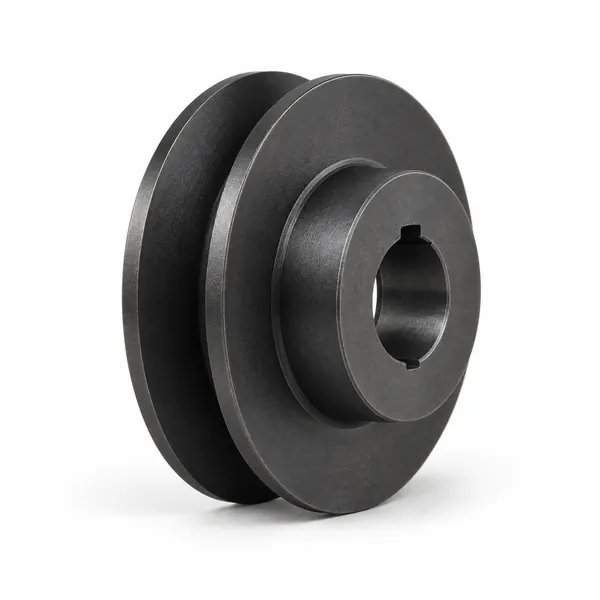
SPA 95-01 is a 1-groove SPA V-belt pulley with P 95, O 100.5, construction type 1, taper bush 1210 and listed maximum bore 32. Confirm shaft, keyway, quantity and application before quotation.
SPA 95-01 is a 1-groove SPA V-belt pulley configuration in the taper-bush family. Its product row lists P 95, O 100.5, construction type 1, taper bush 1210, maximum bore 32, and the letter dimensions E -, F 20, J -, K -, L 25, M 5 and N 75. These values belong together. Groove count defines the working belt arrangement, the diameter references identify the pulley geometry used by the drive design, and the bush plus bore information describes the shaft interface.
For a replacement, send the full marking, belt section, shaft and keyway details, quantity and photographs taken before removal. For a new drive, add the motor and driven speed, required ratio, installation envelope and any controlled drawing. If one of those items is not known, mark it as an open question rather than converting it into an assumed specification.
Start with the complete model identity rather than a diameter-only description. Within the 1-groove family, the construction type and taper-bush designation can change as the diameter range changes. A pulley that looks similar in a photograph can therefore require a different hub arrangement, bush or available axial space.
Keep P and O as separate references in every measurement record and quotation. If the removed part is unmarked, state exactly what was measured. A field outside diameter is not automatically interchangeable with a drawing reference, and a correct number attached to the wrong reference can still lead to a wrong replacement.
1 active V-grooves define the belt arrangement. Confirm the mating pulley and working belt set rather than changing groove count to fit an available part.
P 95 and O 100.5 are carried separately. Use the same reference convention in field measurements, drawings and purchase records.
Taper bush 1210 and listed maximum bore 32 describe the model envelope. The RFQ still needs the actual shaft diameter and keyway requirement.
Construction type 1 links this model to a specific hub and rim arrangement. That matters when a guard, bearing support or machine frame limits axial space. It also matters when a maintenance team needs access for bush removal. Do not copy hub dimensions from a neighbouring diameter simply because the groove count is the same.

The technical drawing is displayed uncropped so visible labels and dimension lines remain readable. Use the correct model row together with this type view. If the project has a customer-controlled drawing, that drawing and its revision remain the ordering reference for any feature that is not explicitly defined on this page.
| Model | SPA 95-01 |
|---|---|
| Grooves | 1 |
| P | 95 |
| O | 100.5 |
| Construction Type | 1 |
| Taper Bush | 1210 |
| Max Bore | 32 |
| E | – |
| F | 20 |
| J | – |
| K | – |
| L | 25 |
| M | 5 |
| N | 75 |
Dimension symbols follow the product-table convention. The SPA table pages do not print an explicit dimension unit beside these values, so this page does not invent one. State the required unit convention when the quotation is controlled by a drawing or field measurement.
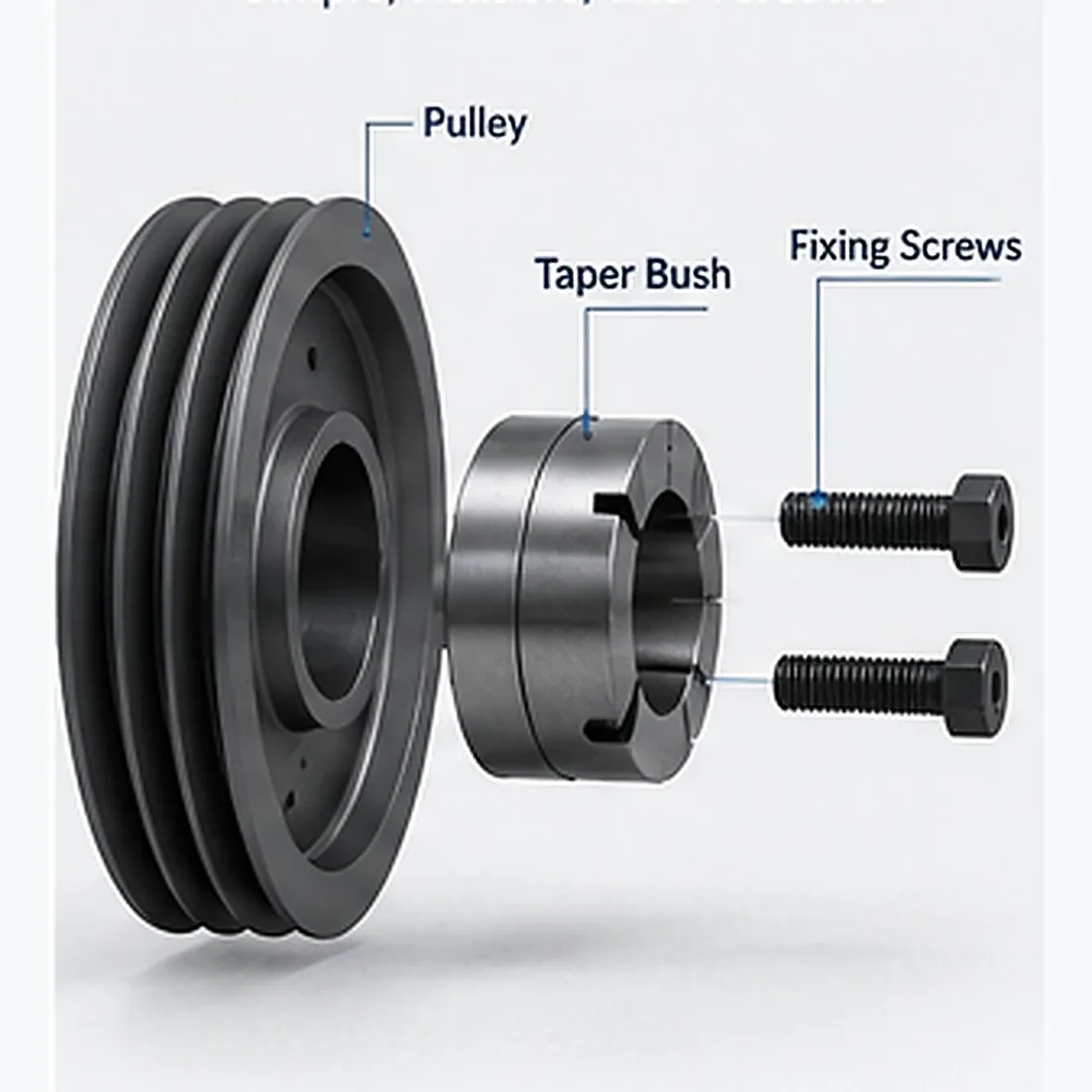
For the mounting logic behind this field, see the Kegelbuchsen-Schnittstellenführung.
The taper-bush mounting system connects the pulley hub to the shaft while allowing the bore requirement to be handled separately from the pulley rim. For SPA 95-01, the listed bush designation is 1210. Record the installed bush marking before removal when possible, then state the actual shaft diameter and keyway in the RFQ.
The maximum bore value 32 is a listed model limit, not the ordered bore. Hub position and service access should also be checked. A replacement that matches diameter and bore can still create a guard or removal problem if its construction arrangement changes.
At family level, SPA taper-bush pulleys are used in machine tools, textile machines, conveyor equipment and general motor-to-load transmission. The application does not rewrite the product row. It tells the buyer which surrounding conditions should be captured: starts and stops, continuous or intermittent duty, environment, guard clearance, alignment access and maintenance procedure.
For SPA 95-01, keep the 1-groove arrangement and shaft interface fixed while checking those application conditions. If the machine uses an unusual installation envelope or drawing-controlled requirement, state that difference separately instead of assuming it is part of the standard model.
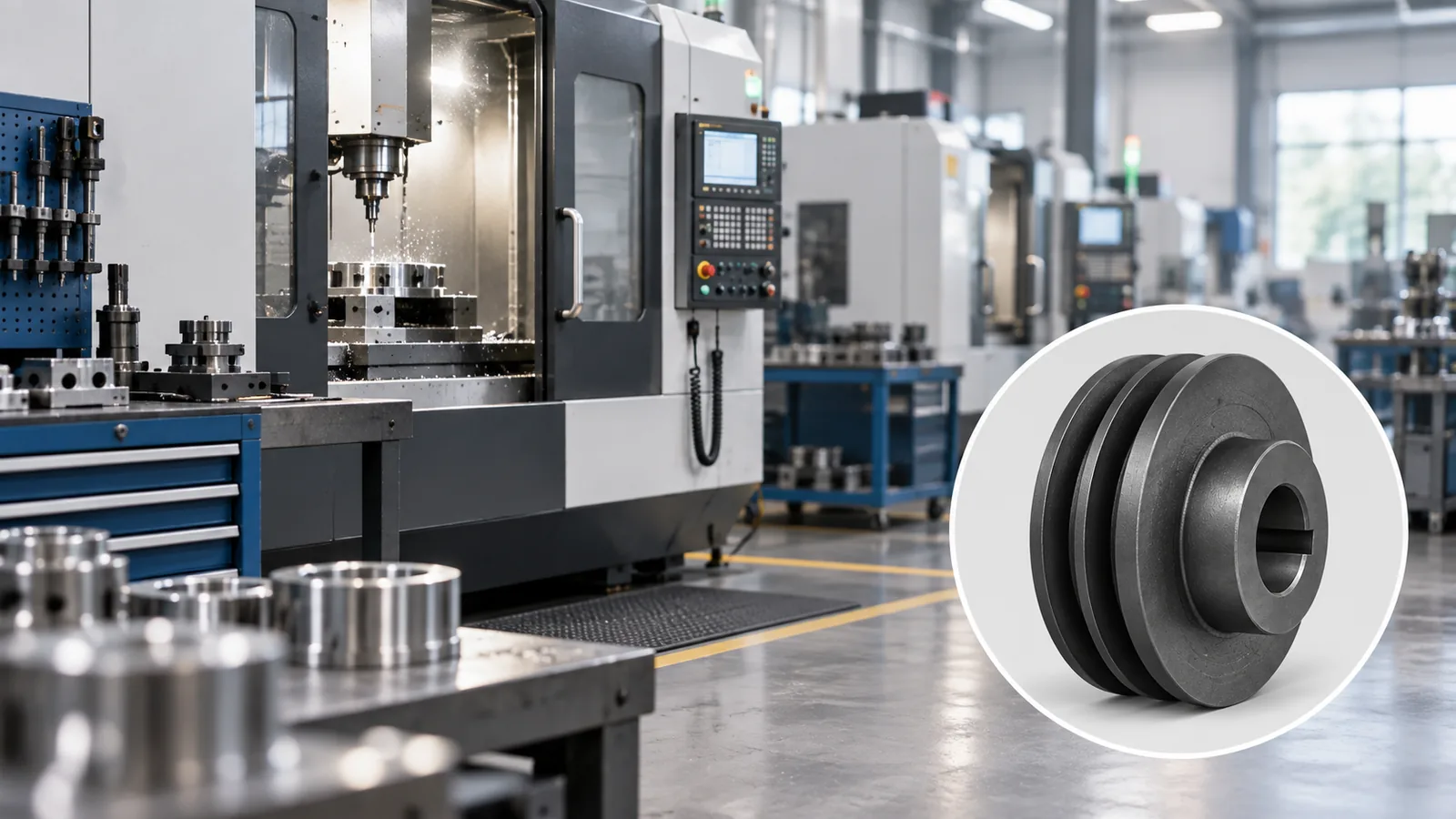
This sequence reduces the chance of selecting a part that looks right but changes the belt profile, mounting interface or axial position. It also creates a reusable equipment record for the next maintenance cycle.
Standard model selection begins with the product row above. A custom requirement should identify the changed features explicitly. If a drawing calls for a special bore, keyway, hub location, material, finish, balance or measurable inspection point, list that item as a project requirement rather than presenting it as a universal feature of SPA 95-01.
Inspection is most useful when both parties refer to the same dimension symbol or drawing callout. State what must be checked, the acceptance requirement and whether it applies to a sample, first article or production lot. That keeps the quotation scope aligned with the actual machine risk.
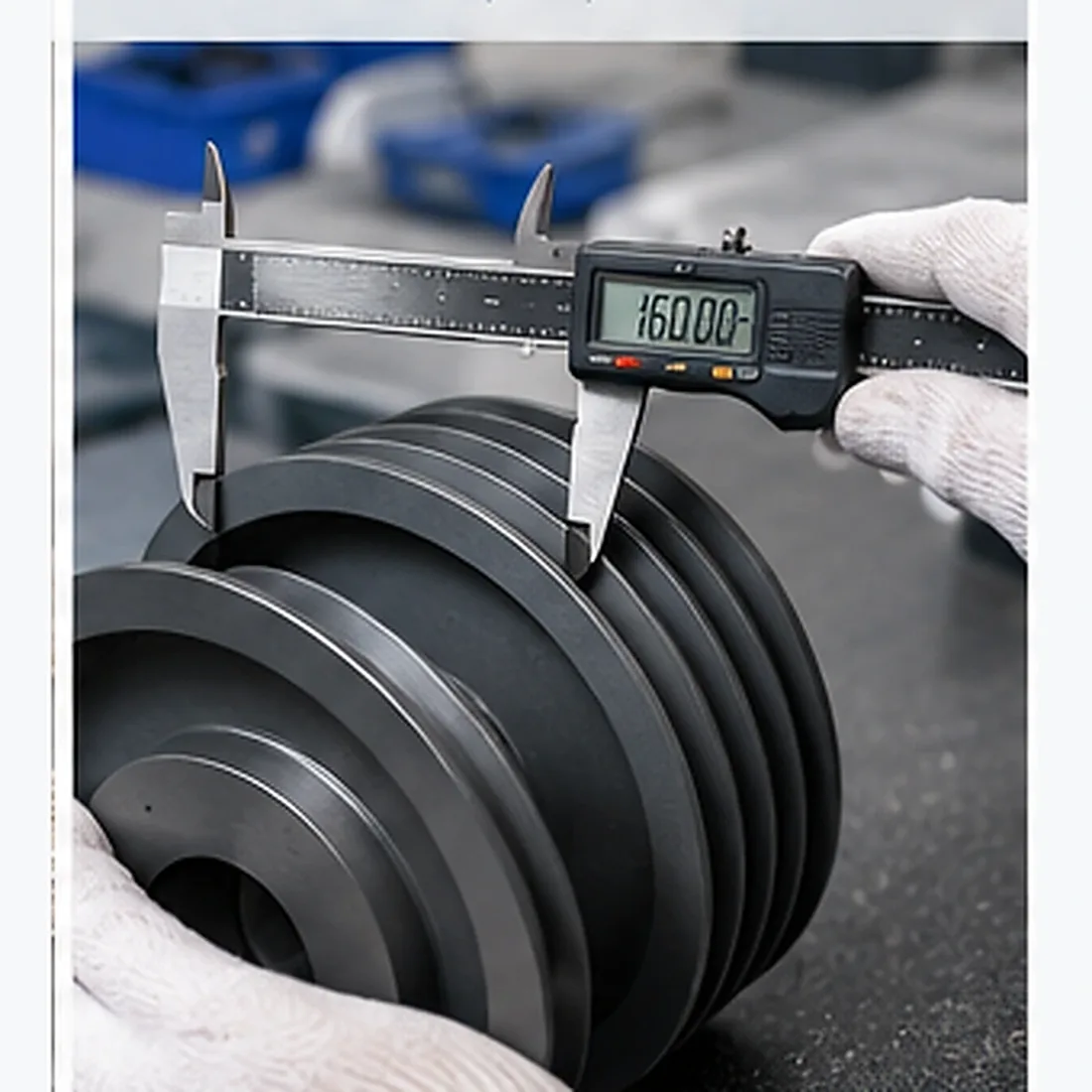
Include model SPA 95-01, quantity, belt section, 1-groove arrangement, shaft diameter, keyway or bush information, and the machine type. For replacement work, add photographs taken before disassembly. For new equipment, add the required speed relationship and installation envelope. When a drawing exists, send the latest revision so an old screenshot does not become the accidental controlling document.
Standard-Katalogrollen werden üblicherweise ab einer Mindestbestellmenge (MOQ) geliefert, während größere oder höherwertige Artikel ab einem marktüblichen Bestellwert erhältlich sind. Neukunden können 1–5 Musterstücke zum Musterpreis anfordern. Bestellungen mit verschiedenen Modellen können bis zu einem marktüblichen Bestellwert von 1.500 USD zusammengefasst werden. Für spezielle Materialien oder Verfahren gelten eigene Mindestbestellmengen. Unser Fokus liegt auf der Belieferung von Industrie und Erstausrüstern (OEM) und nicht auf Ersatzteilbestellungen von 1–2 Stück im Einzelhandel.
A strong purchase record contains more than the product name. It should preserve the model, quantity, shaft interface, drawing revision when applicable and any approved project changes. That information gives maintenance teams a reliable starting point instead of forcing them to reconstruct the drive from an old packing list.
During installation, record the actual fitted bush or bore and any change made to the machine. If the drive later shows belt tracking, unusual wear or repeated movement, document the condition before replacing parts again. A repeat order is safest when it starts from the accepted technical record rather than from memory or a visually similar spare on the shelf.
When several machines use related pulleys, keep each equipment position separate. Similar diameters can use different groove counts, bushes or hub arrangements. Clear equipment records make mixed-model purchasing easier because each line item retains its technical identity while quantities can still be consolidated commercially.
Confirm whether this is a direct replacement, a repeat purchase against an approved record or a new design. For a direct replacement, compare the installed part with the model row and construction type. For a repeat purchase, confirm that no shaft, belt or machine modification has occurred since the last order. For a new design, keep the speed relationship and installation envelope in the design record rather than relying on a replacement-style measurement workflow.
Also confirm how the pulley will be accessed for installation and removal. The shaft interface may be correct while service access is poor because a frame member or guard blocks the bush screws. Record any axial movement available during removal. If the project has a drawing-controlled hub position, use that dimension instead of a visual estimate from the machine.
Finally, identify the commercial intent. A small evaluation sample, a mixed-model maintenance order and a repeat production requirement are different purchasing cases even when the part number is the same. State quantity and timing early so technical review and order planning can proceed together.
No. Keep groove count, construction type, bush and actual shaft requirement attached to the model decision.
No. It is the listed model limit. State the actual shaft diameter and keyway or bush requirement.
Flag the difference and identify which reference the project intends to control. Do not hide the discrepancy inside a generic replacement request.
Yes when the changed features are defined by a drawing or measurable requirements. Special materials or processes can affect the production minimum.