
When to Use a 6-Groove SPA Pulley
This guide focuses on 6-groove selection for SPA V-belt pulley selection, replacement and industrial RFQs. The goal is to create a decision record another engineer, buyer or supplier can understand without guessing.
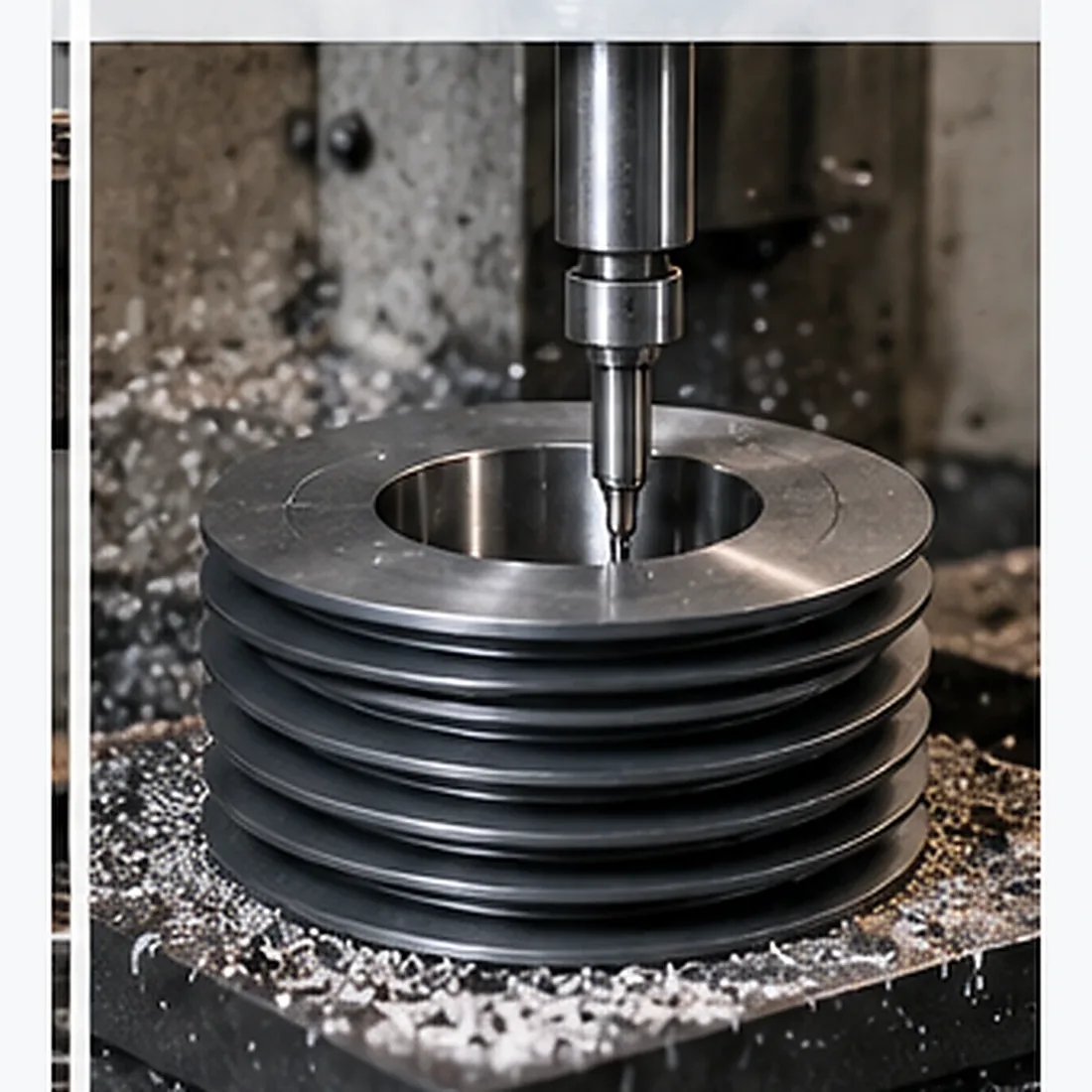
Identification record
Start with belt profile, active groove count, full model marking and any taper-bush marking. Photograph the installed drive before removal. When the part is unmarked, describe exactly which diameter, hub or shaft reference was measured instead of turning every measurement into a generic pulley size. For this topic, 6-groove selection should remain attached to the complete model identity rather than being treated as a standalone shortcut. If a field observation and product record disagree, make the discrepancy visible and identify which reference controls before the order is approved.
For new equipment, the same discipline applies from the design side: define the speed relationship and machine envelope, then select the pulley configuration and shaft interface that fit those controlled inputs. For replacement work, preserve the installed condition before disassembly because hub position, guard clearance and service access can be difficult to reconstruct later.
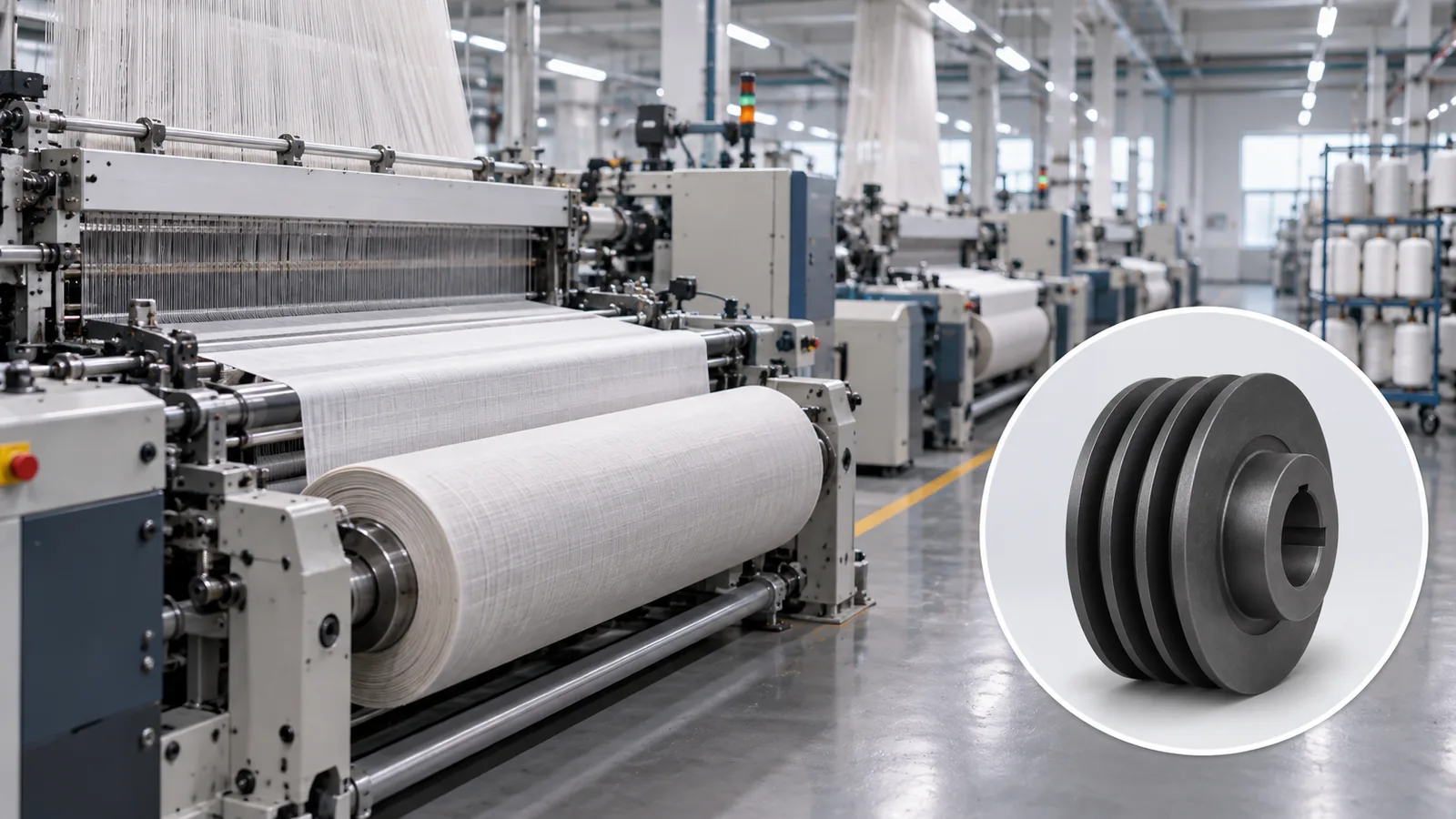
Dimension references
Keep P, O, field outside diameter, hub width and lettered dimensions separate. A measurement is useful only when the receiver knows what it represents. When a drawing exists, mark the measured reference on the drawing or carry the same symbol into the RFQ. For this topic, 6-groove selection should remain attached to the complete model identity rather than being treated as a standalone shortcut. If a field observation and product record disagree, make the discrepancy visible and identify which reference controls before the order is approved.
For new equipment, the same discipline applies from the design side: define the speed relationship and machine envelope, then select the pulley configuration and shaft interface that fit those controlled inputs. For replacement work, preserve the installed condition before disassembly because hub position, guard clearance and service access can be difficult to reconstruct later.
Wellenschnittstelle
Record the actual shaft diameter, keyway and bush designation. Maximum bore is a model limit and should not be treated as the finished bore. Hub position and removal access can be just as important as bore when the drive sits inside a guard or close to a frame. For this topic, 6-groove selection should remain attached to the complete model identity rather than being treated as a standalone shortcut. If a field observation and product record disagree, make the discrepancy visible and identify which reference controls before the order is approved.
For new equipment, the same discipline applies from the design side: define the speed relationship and machine envelope, then select the pulley configuration and shaft interface that fit those controlled inputs. For replacement work, preserve the installed condition before disassembly because hub position, guard clearance and service access can be difficult to reconstruct later.
Application context
State machine type, continuous or intermittent operation, starts and stops, dust or moisture, guard clearance and maintenance access. These conditions help review fit and project risk without changing the published SPA model data. For this topic, 6-groove selection should remain attached to the complete model identity rather than being treated as a standalone shortcut. If a field observation and product record disagree, make the discrepancy visible and identify which reference controls before the order is approved.
For new equipment, the same discipline applies from the design side: define the speed relationship and machine envelope, then select the pulley configuration and shaft interface that fit those controlled inputs. For replacement work, preserve the installed condition before disassembly because hub position, guard clearance and service access can be difficult to reconstruct later.
Purchasing record
Keep model, quantity, shaft interface, drawing revision and approved project changes in the purchase record. Similar machines can use different groove counts or bushes, so a description such as same as last time is weaker than a stable technical identity. For this topic, 6-groove selection should remain attached to the complete model identity rather than being treated as a standalone shortcut. If a field observation and product record disagree, make the discrepancy visible and identify which reference controls before the order is approved.
For new equipment, the same discipline applies from the design side: define the speed relationship and machine envelope, then select the pulley configuration and shaft interface that fit those controlled inputs. For replacement work, preserve the installed condition before disassembly because hub position, guard clearance and service access can be difficult to reconstruct later.
Installation checks
Confirm pulley planes, belt seating and tension according to the machine and belt procedure. Inspect groove surfaces and accessible shaft-interface features. Document any unusual wear or movement before replacing parts again. For this topic, 6-groove selection should remain attached to the complete model identity rather than being treated as a standalone shortcut. If a field observation and product record disagree, make the discrepancy visible and identify which reference controls before the order is approved.
For new equipment, the same discipline applies from the design side: define the speed relationship and machine envelope, then select the pulley configuration and shaft interface that fit those controlled inputs. For replacement work, preserve the installed condition before disassembly because hub position, guard clearance and service access can be difficult to reconstruct later.
When to pause
Stop when the profile is unknown, groove count conflicts with the drawing, shaft measurement is uncertain, the bush marking is damaged or the installation envelope does not match the expected construction. Resolve that open question before purchase. For this topic, 6-groove selection should remain attached to the complete model identity rather than being treated as a standalone shortcut. If a field observation and product record disagree, make the discrepancy visible and identify which reference controls before the order is approved.
For new equipment, the same discipline applies from the design side: define the speed relationship and machine envelope, then select the pulley configuration and shaft interface that fit those controlled inputs. For replacement work, preserve the installed condition before disassembly because hub position, guard clearance and service access can be difficult to reconstruct later.
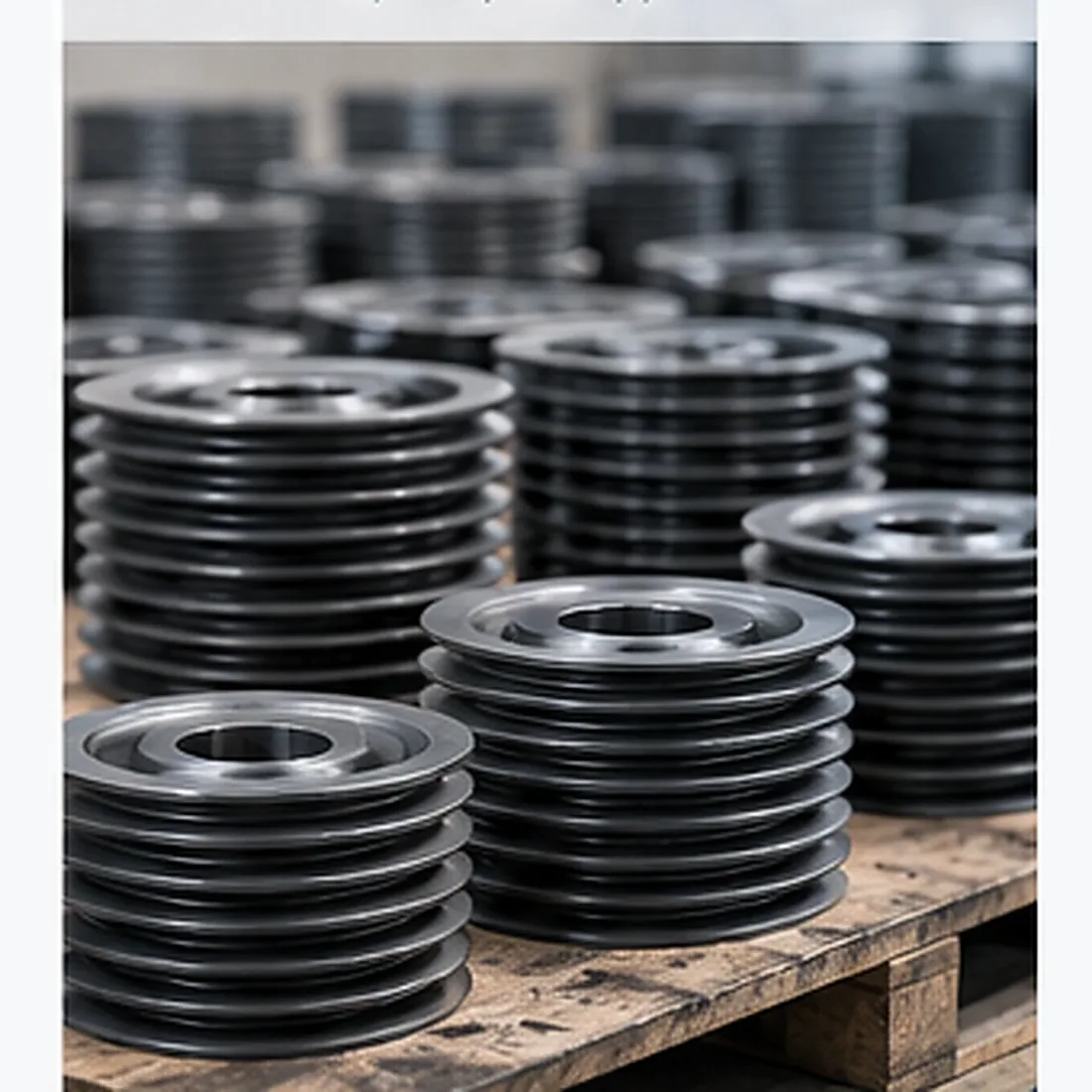
Repeat-order control
For repeat orders, confirm that the machine has not been modified since the last accepted part. Store the approved model and any special project requirement with the equipment position so future maintenance does not start from memory. For this topic, 6-groove selection should remain attached to the complete model identity rather than being treated as a standalone shortcut. If a field observation and product record disagree, make the discrepancy visible and identify which reference controls before the order is approved.
For new equipment, the same discipline applies from the design side: define the speed relationship and machine envelope, then select the pulley configuration and shaft interface that fit those controlled inputs. For replacement work, preserve the installed condition before disassembly because hub position, guard clearance and service access can be difficult to reconstruct later.
RFQ checklist for 6-groove selection
| Input | Send | Purpose |
|---|---|---|
| Identity | Full SPA model or drawing | Controls the technical row |
| Belt | Profile and active groove count | Prevents profile mismatch |
| Diameter | Value plus measurement reference | Keeps P/O and field values distinct |
| Shaft | Bush/bore, shaft and keyway | Controls mounting fit |
| Anwendung | Machine duty and environment | Explains surrounding conditions |
| Commercial | Quantity and sample/production intent | Supports order planning |
Standard catalogue pulleys are normally supplied against production-quantity MOQs, while larger or higher-value items may be accepted against practical order value. New customers may request 1-5 piece evaluation samples at sample pricing. Mixed-model orders can be combined toward a practical order value of USD 1,500. Special materials or processes follow their own production minimums. We focus on industrial and OEM supply rather than 1-2 piece retail replacement orders.
From field observation to controlled data
When the drive is already installed, begin with what can be observed without disturbing the system: belt marking, active grooves, pulley marking, hub position, visible bush information and service clearance. Then separate those observations from dimensions that require safe disassembly. This distinction matters because a photograph can explain the installation but cannot establish a hidden shaft diameter or keyway.
When the part reaches the workbench, record each measurement with its reference. Avoid a single unlabeled “pulley size.” A useful record says what was measured and where. That record can then be compared with the SPA model table or current machine drawing without forcing unlike references to agree.
Compare alternatives without mixing product families
When to Use a 6-Groove SPA Pulley should remain within the intended SPA profile unless the machine design is intentionally being changed. Adjacent V-belt families can look similar in a photograph, and a diameter can appear close while groove geometry or mounting details differ. Start by fixing the belt family and groove count, then compare model data inside that boundary.
If a different family is being considered as part of a redesign, treat it as a design change rather than a replacement shortcut. Recheck the mating pulley, belt set, speed relationship, guard envelope and shaft interface. That keeps a deliberate redesign from being mistaken for simple interchangeability.
Plan samples, mixed models and production quantities clearly
Commercial intent belongs in the first RFQ. A one-time evaluation sample, a mixed-model maintenance order and repeat production are different cases even when the technical model is identical. State the quantity by model so the supplier can keep technical identity separate while still combining lines for practical order planning.
For a new customer, a small evaluation quantity can be useful when the machine requirement is already defined. It should not be used to bypass unresolved identification work. A sample that is based on the wrong profile, shaft or construction type only confirms the wrong assumption at a smaller scale.
Installation records can prevent the next identification problem
After the pulley is fitted, record the accepted model, bush or finished bore, shaft details and any approved drawing change. Add an installed photograph that shows the hub side and general belt line. If the machine has a defined alignment, tension or commissioning check, store that result with the equipment record.
When the machine is modified later, update the record. A changed motor, shaft, guard or belt arrangement can make an old repeat-order note obsolete. The strongest repeat order is one that points to the current accepted configuration rather than a memory of what was previously purchased.
Resolve these questions before manufacture or purchase
Pause when the belt profile is uncertain, the groove count in the machine conflicts with the drawing, the shaft or keyway cannot be confirmed, the bush marking is unreadable, or the installation envelope disagrees with the expected construction type. Also pause when a special material, finish, balance or inspection requirement appears in an old note but not in the current drawing.
These are useful questions, not delays to hide. Making them visible early allows the buyer and supplier to close the gap before a component is manufactured, shipped or installed.
Use this guide with the model pages
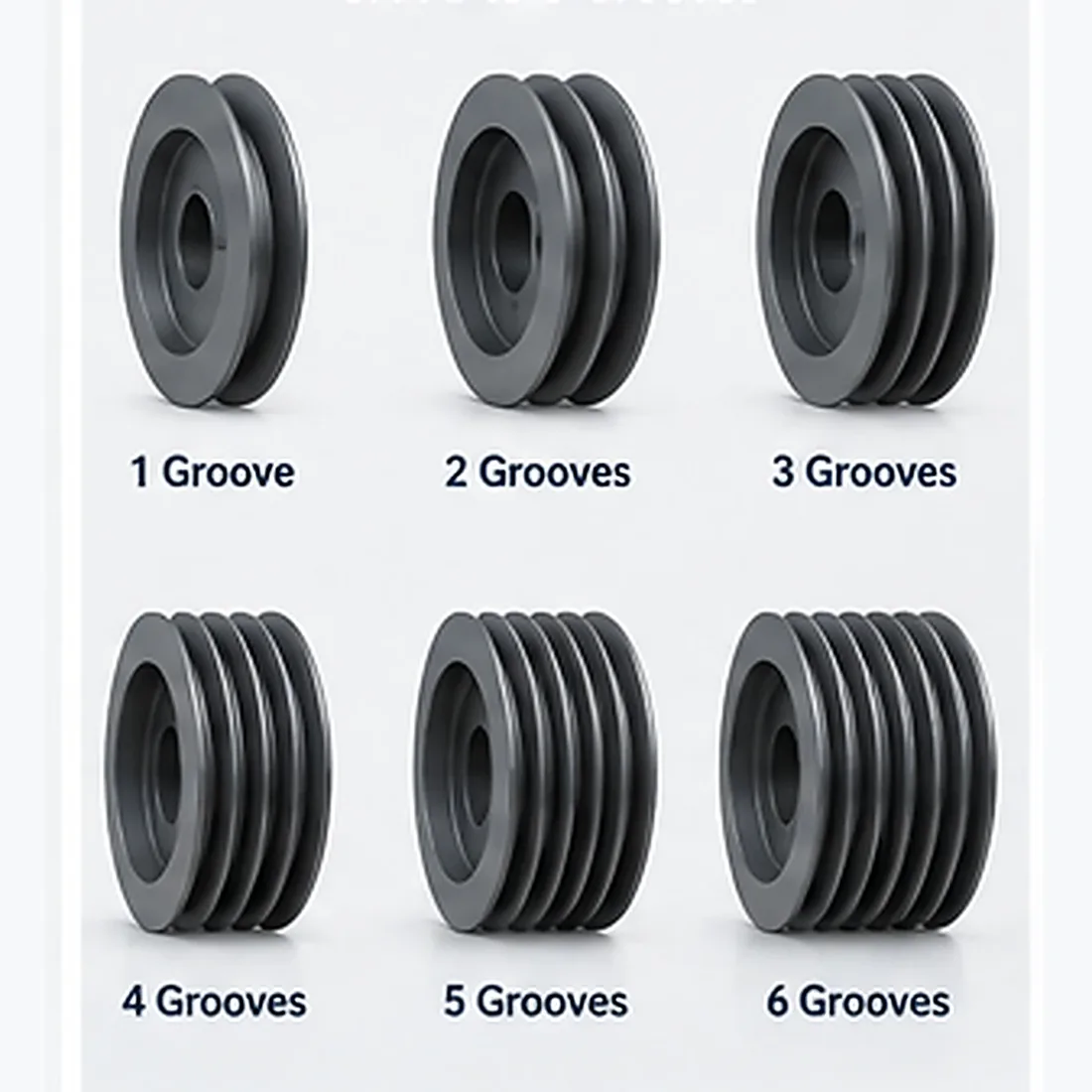
The article explains a decision method, while the individual product pages carry the model-specific values. When you move from this guide to a model page, keep the question you are trying to answer visible. If the open point is groove count, compare within one groove-count family. If it is the shaft interface, compare the listed bush and maximum bore with the actual shaft and keyway. If it is axial packaging, use the construction type and letter-dimension view.
This approach prevents a technical article from becoming a substitute specification. A guide can explain why P and O must stay separate, but it cannot choose a diameter for an unknown machine. It can explain why the taper bush matters, but it cannot infer a shaft size that was never provided. The model page, drawing and machine record each have a different role, and the selection is strongest when those roles remain clear.
For purchasing teams, save the final model URL or accepted drawing with the RFQ. For engineering teams, note which project input controlled the choice. For maintenance teams, keep the installed position and shaft record. These three views can then point to the same accepted component without turning the web page into the only technical record.
What this topic does not justify assuming
When to Use a 6-Groove SPA Pulley can narrow the technical conversation, but it does not justify adding an unverified material, tolerance, power rating, speed limit, balance grade, certification or factory capability. Those items should appear only when the project specification or confirmed product documentation controls them. Adding plausible numbers to make a page look complete creates more risk than leaving an honest open point.
The same principle applies to application images. A machine-tool, textile, conveyor or motor-driven scene can explain the field in which a pulley may be discussed, but it should not be read as proof of a specific customer installation. Product geometry remains controlled by the model table and drawing; the application scene supplies context for duty, access and environment.
When the project needs more than the standard information, send the requirement with the RFQ. A precise open question is a professional engineering input. It gives the supplier something measurable to confirm and prevents a generic website statement from becoming an accidental design specification.
Questions buyers often ask
Can a photo identify the pulley by itself?
No. Pair photos with profile, groove count, diameter reference and shaft information.
What if a field measurement disagrees with a drawing?
Flag the difference and identify the intended controlling reference before ordering.
When does a custom route make sense?
Use it when the standard row does not meet a controlled geometry, shaft, material, finish or inspection requirement.
Preserve the repeat-order record
Store the accepted model, shaft data and project changes with the equipment position.