
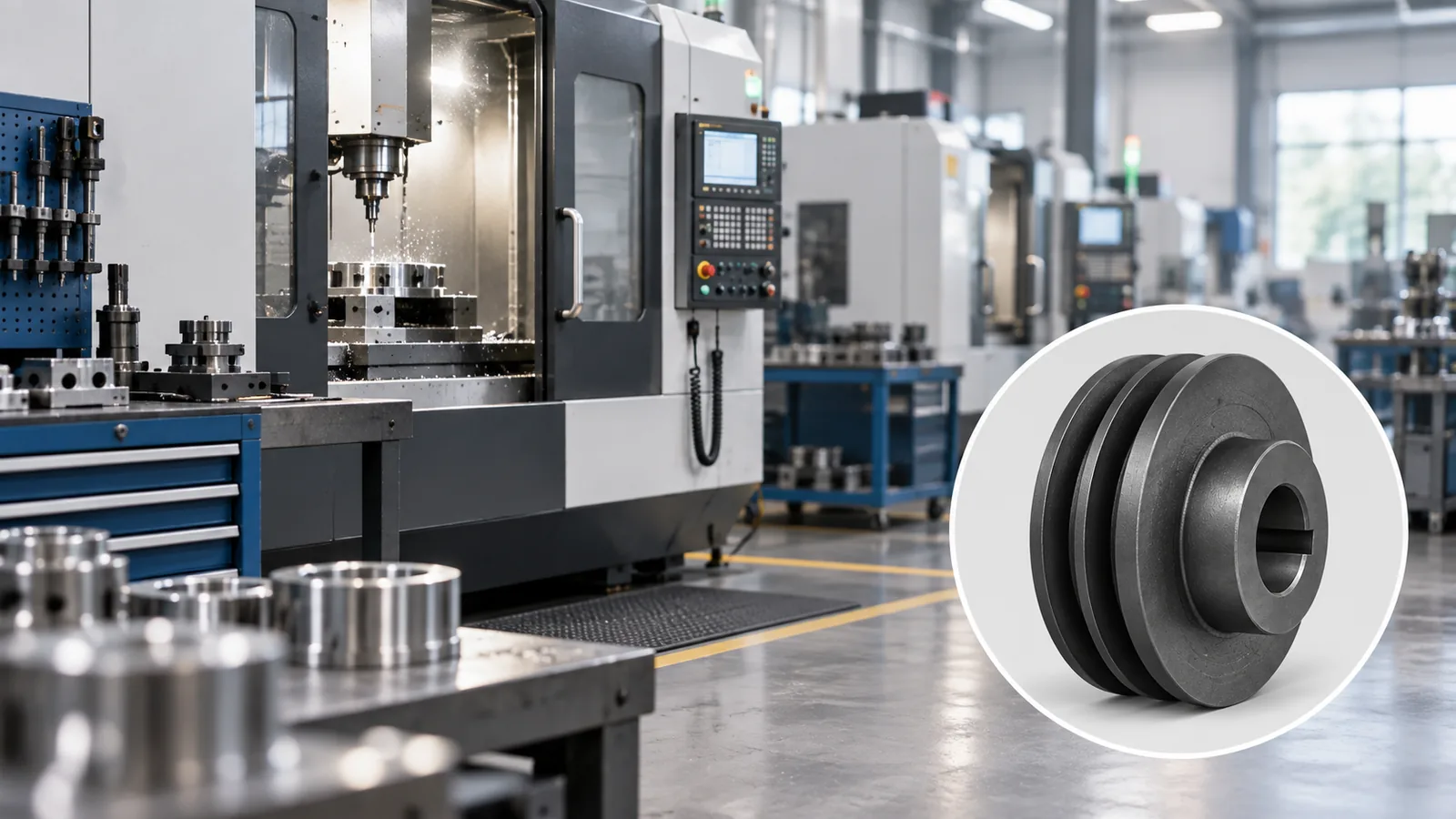
SPA pulleys in Machine Tools
Machine-tool drives can make compact packaging, service access and alignment important RFQ inputs.
The application image is illustrative context. Product selection still comes from the SPA model data and the actual machine interface supplied with the enquiry.
Duty information to capture
Operating pattern
Record continuous or intermittent service, starts and stops.
Drive geometry
Confirm profile, groove count, diameters, shaft and guard envelope.
Environment
Note dust, moisture, heat and service access.
Replacement workflow
- Photograph the drive before removal.
- Record pulley and bush markings.
- Confirm belt profile and groove count.
- Document the shaft and keyway.
- Compare the exact model row and construction type.
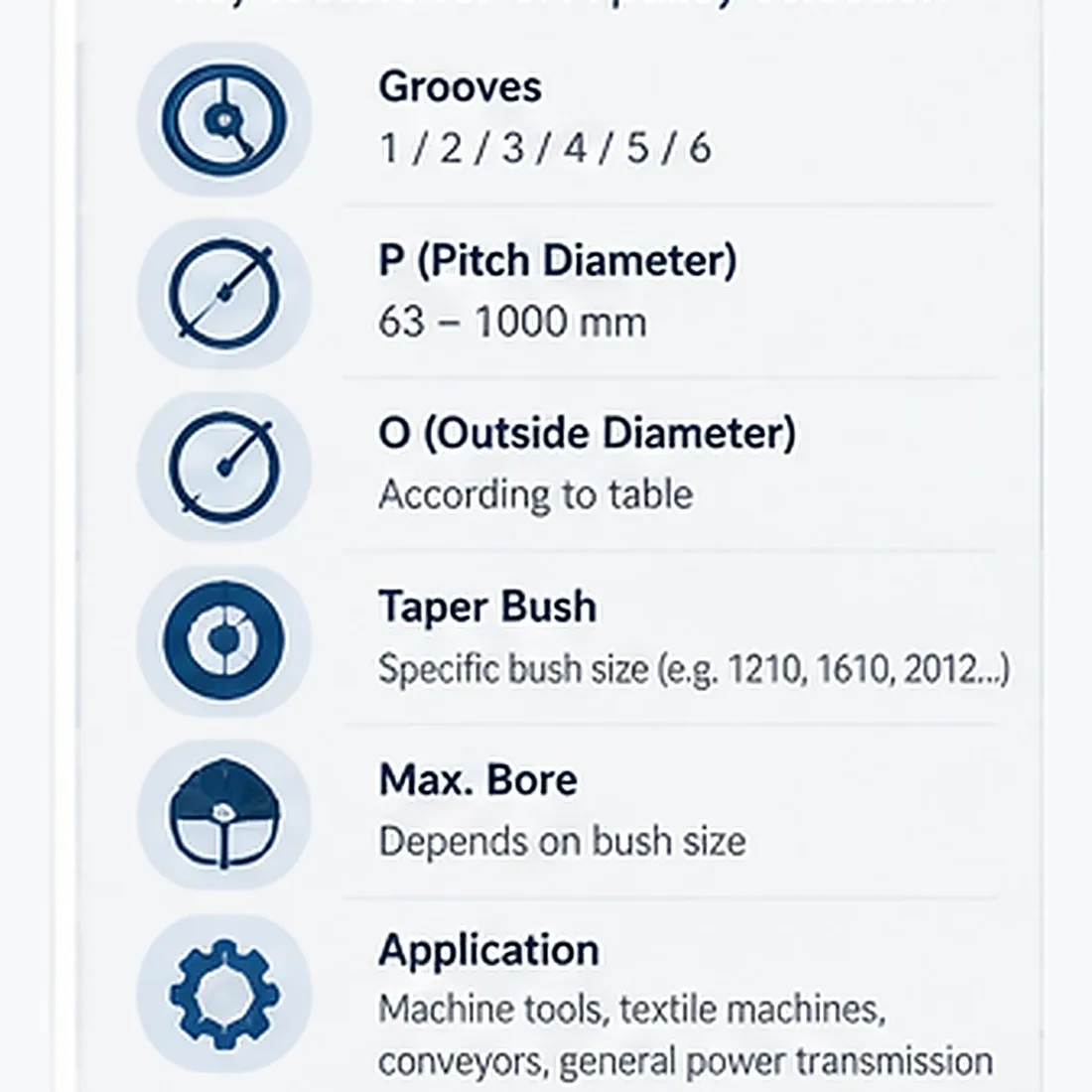
Translate the application into measurable RFQ inputs
The application name by itself does not define a pulley. Record the motor and driven equipment, belt profile, active groove count, available installation envelope and the actual shaft interface. Then add operating information that can change the review, such as frequent starts, long continuous runs, dusty conditions, restricted maintenance access or a guard that controls axial space.
For replacement work, separate the cause of replacement from the identity of the part. A worn belt, damaged groove, loose hub or alignment problem may explain the maintenance event, but the replacement model should still be chosen from controlled geometry and shaft data. Do not ask a new pulley to correct an unresolved system condition by itself.
For OEM work, state the required speed relationship and whether the pulley position is fixed by a machine drawing. If the project has no controlled drawing yet, send the envelope and shaft information so the open design points can be discussed explicitly.
Application record for future maintenance
After a model is accepted, store the pulley identity, fitted bush or bore, shaft information and any approved project changes with the equipment record. Add a clear photograph of the installed position after commissioning. That record gives the next maintenance team a verified starting point and helps prevent a visually similar but different pulley from entering the machine later.
If the drive is modified, update the record. A changed motor, new guard, revised shaft or different belt arrangement can invalidate a previous replacement assumption even when the pulley looks unchanged. Repeat orders should confirm that the machine configuration still matches the accepted technical record.
Commercial planning also belongs in the same project file. State whether the requirement is a sample, a maintenance batch, a mixed-model order or repeat production. This avoids separating the technical review from the quantity information needed to plan a realistic quotation.
Machine Tools selection: practical decision notes
In machine tools, the machine duty should be translated into measurable drive inputs rather than inferred from a product photograph. A buyer should be able to trace every important decision to a model marking, a drawing reference, a measurement or a stated machine requirement. When the data comes from different places, keep those references separate until they have been reconciled. This is especially important for pulley diameter, hub position and the shaft interface, because visually similar parts can use different construction arrangements.
벨트 교체 작업을 할 때는 구동 장치가 조립된 상태에서 시작하십시오. 풀리 양면, 벨트 라인, 샤프트 끝단 및 판독 가능한 모든 표시를 사진으로 촬영하십시오. 벨트를 폐기하기 전에 활성 홈 개수와 벨트 종류를 기록하십시오. 보호 장치나 프레임으로 인해 접근이 제한되는 경우, 사용 가능한 축 방향 및 반경 방향 공간을 측정하십시오. 이러한 관찰 결과는 작업대에서 분리된 풀리만으로는 알 수 없는 설치 과정을 이해하는 데 도움이 됩니다.
새로운 설계의 경우 순서는 다르지만 제어 원리는 동일합니다. 먼저 의도하는 벨트 프로파일, 속도 관계, 샤프트, 키홈 및 설치 공간을 정의하십시오. 그런 다음 홈 개수가 같은 제품군 내의 모델들을 비교하십시오. 기계 설계에서 의도적으로 변경을 허용하지 않는 한, 단순히 사용 가능한 부품으로 시작하여 그에 맞춰 구동부를 변경하지 마십시오.
견적 요청서(RFQ)를 작성할 때 표준 제품 사양과 특별 프로젝트 요구 사항을 구분하십시오. 재질, 마감, 균형, 공차 또는 검사 요구 사항은 프로젝트에서 실제로 관리해야 하는 경우에만 명시해야 합니다. 이렇게 하면 표준 문의를 효율적으로 처리하고 프로젝트별 요구 사항이 제품군 내 모든 풀리에 적용되는 것을 방지할 수 있습니다.
From application note to purchase record
Once the pulley configuration is accepted, store the full model, groove count, shaft or bush information and any drawing revision with the equipment record. Also record the machine position and the reason for the replacement or new installation. This makes the next service event easier because the maintenance team can distinguish a repeat order from a machine modification.
If the drive later changes, update the record. A new motor, different shaft, altered guard or revised belt arrangement can make an old replacement decision obsolete. The component may look unchanged from outside while the controlled interface has moved.
For mixed-model maintenance purchasing, keep each line item technically separate even when the commercial order is combined. That makes it possible to consolidate quantities without losing which pulley belongs to which machine position.
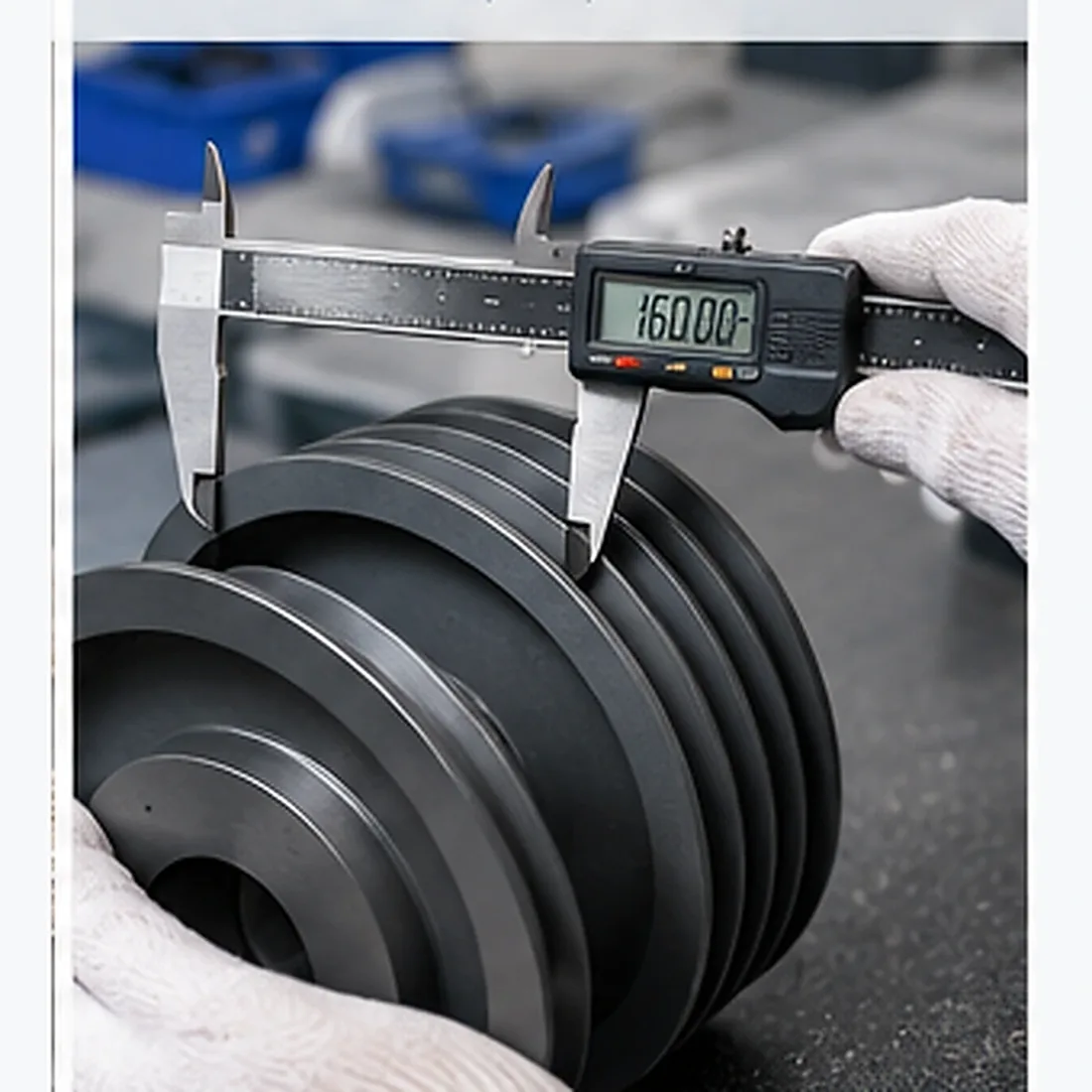
Commissioning and follow-up
After installation, inspect the drive according to the machine and belt procedure. Confirm alignment, belt seating, guard clearance and any accessible fasteners. If the application has a defined commissioning or recheck interval, preserve that result with the equipment record. These are installation controls around the selected pulley rather than universal properties of the pulley itself.
When unusual wear appears later, document the condition before parts are removed. Belt dust, tracking, damaged grooves, shaft movement or changes in the surrounding machine can help distinguish a component problem from a system problem. That record makes the next replacement decision easier to verify.
For procurement teams, the final handoff should include the accepted model, quantity, shaft interface and any special project requirement. For maintenance teams, the same record should identify the machine position and any access notes that affect removal. Keeping both views together is the most practical way to reduce repeated identification work.
Questions that should stay visible during application review
Ask whether the existing drive is being copied exactly or whether the machine has changed. A new motor, revised production speed, modified guard, relocated bearing support or different maintenance procedure can make an old part number insufficient on its own. If the machine changed, identify the change before the pulley is quoted.
Ask who controls the shaft and keyway. In an OEM project the shaft may come from a current machine drawing; in a maintenance replacement it may need to be measured safely after removal. The pulley row can identify a compatible bush family, but the actual shaft interface still belongs to the machine.
Ask whether the application has any measurable acceptance requirement beyond standard identification. If runout, balance, finish, material or inspection documentation matters to the project, state it. If it does not, do not add a generic performance claim simply to make the specification look more complete.
Finally, ask whether the part will be ordered once or maintained as a repeat spare. Repeat-order intent makes it worthwhile to create a clean equipment record immediately, including model, drawing revision, fitted bush or bore, shaft and machine position.
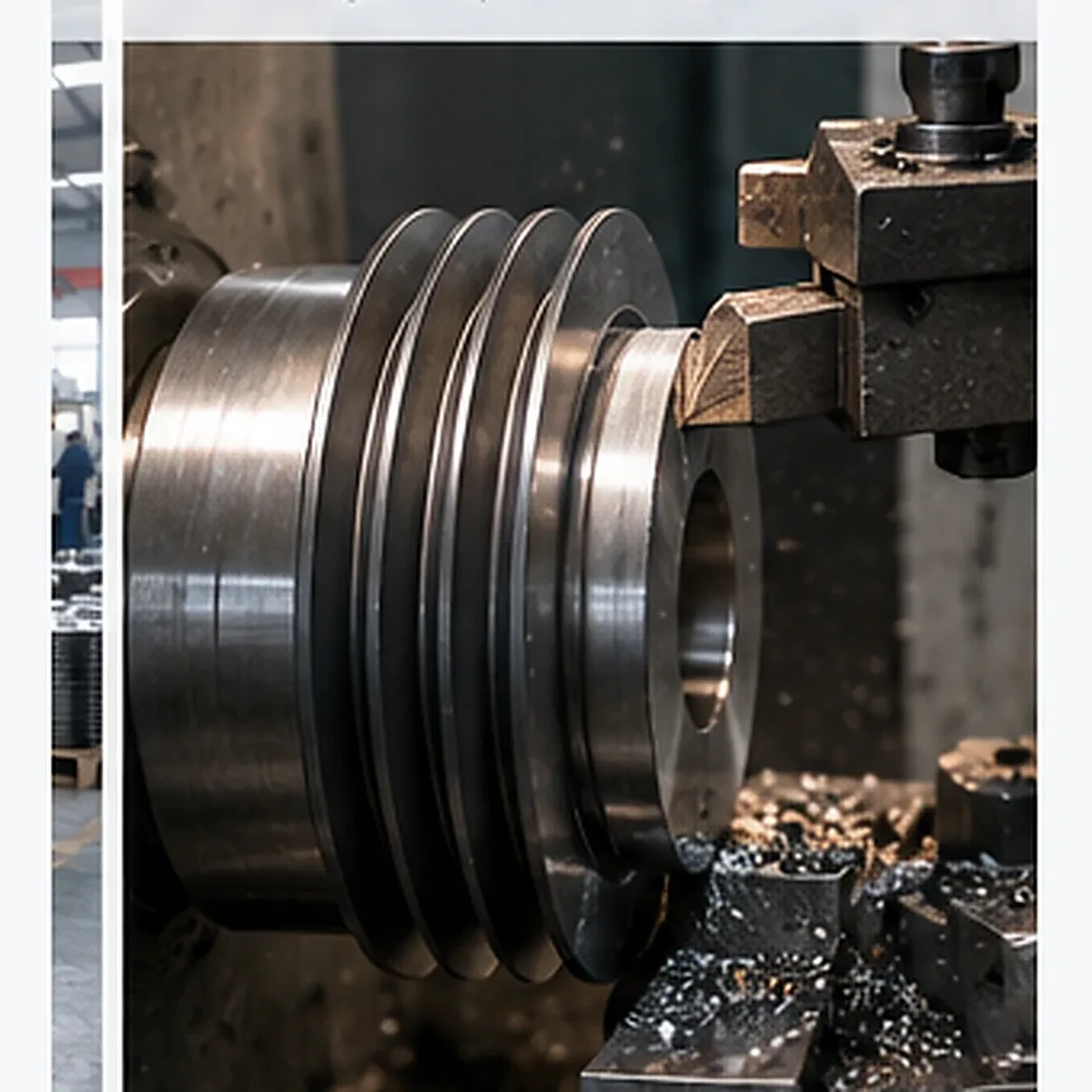
Handoff from application review to RFQ
Before sending the enquiry, make sure the application note does not replace the actual product data. The RFQ should still contain the model or drawing, belt profile, groove count, shaft interface and quantity. The application description adds context for duty, access and environment. Keeping those two layers separate helps the supplier review the standard pulley row first and then address any project-specific requirement without confusing context with geometry.
Related product and RFQ paths
Browse the SPA pulley family for model data, then use the 견적 요청 데이터 체크리스트 to package the application information with the shaft and quantity details.