
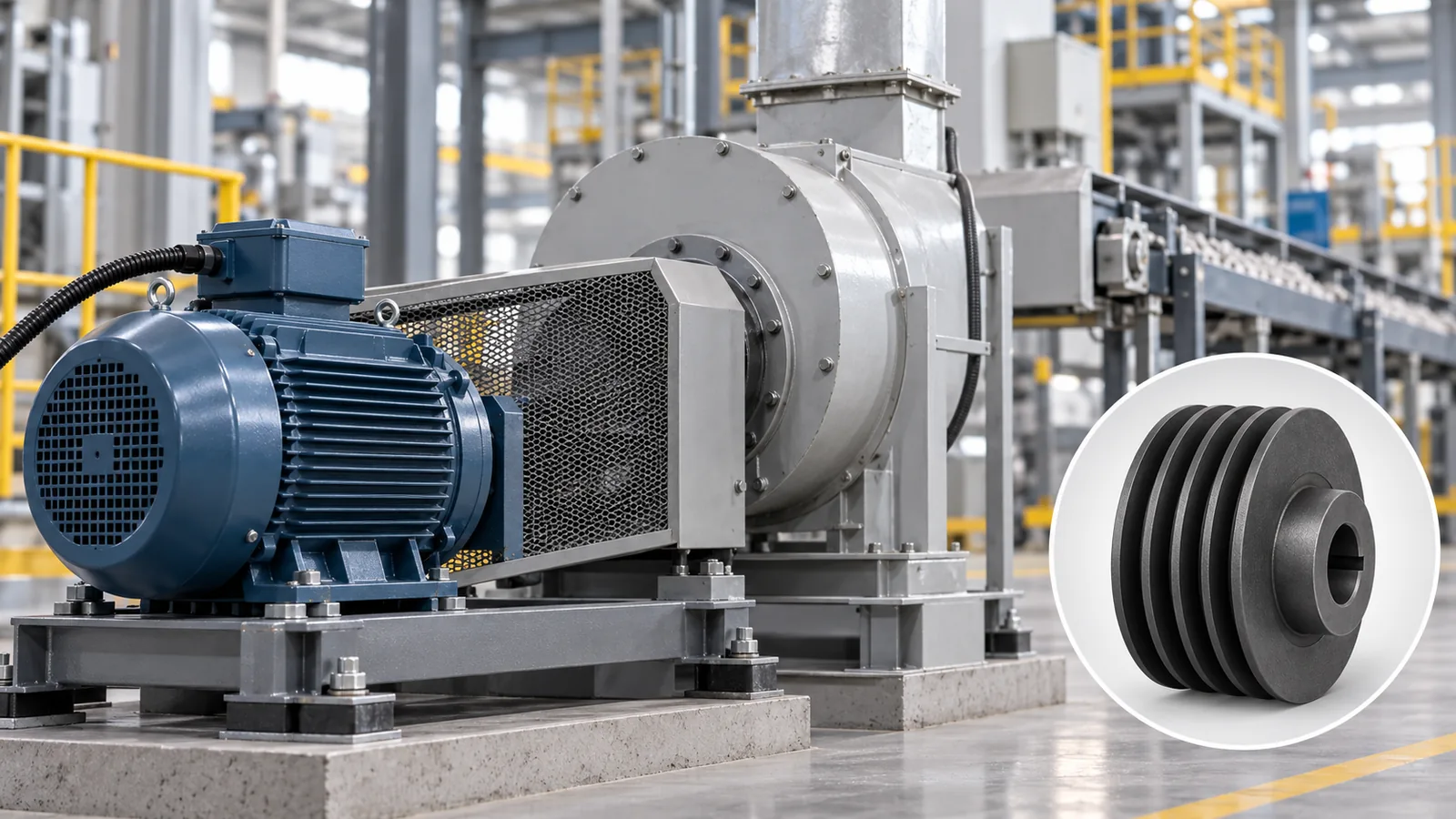
Motor-Yük Tahrik Sistemlerinde SPA Kasnakları
Genel olarak motor tahrikli ekipmanlar, net bir hız ilişkisi, kayış düzeni ve şaft arayüzü gerektirir.
Uygulama görseli örnek niteliğindedir. Ürün seçimi hala SPA model verilerinden ve talep ile birlikte sağlanan gerçek makine arayüzünden yapılmaktadır.
Görev bilgilerini yakalamak
Çalışma modeli
Sürekli veya aralıklı hizmeti, başlatma ve durdurma işlemlerini kaydedin.
Sürüş geometrisi
Profil, oluk sayısı, çaplar, şaft ve koruma zarfını doğrulayın.
Çevre
Toz, nem, ısı ve servis erişimine dikkat edin.
Değiştirme iş akışı
- Sürücüyü sökmeden önce fotoğrafını çekin.
- Kasnak ve burç işaretlerini kaydedin.
- Kayış profilini ve oluk sayısını doğrulayın.
- Mil ve kama yuvasını belgeleyin.
- Model satırını ve yapım tipini tam olarak karşılaştırın.
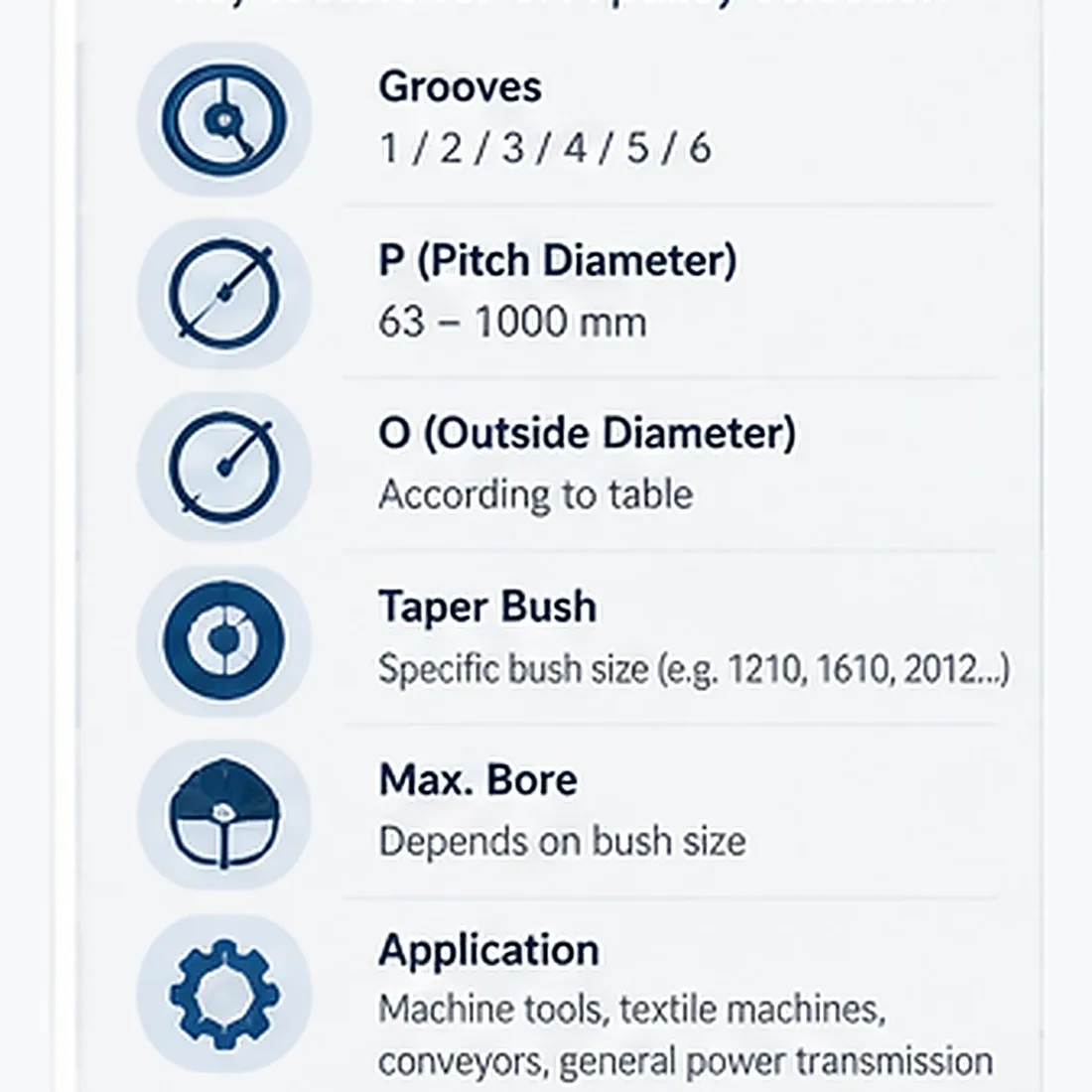
Başvuruyu ölçülebilir teklif talebi girdilerine dönüştürün.
Uygulama adı tek başına bir kasnağı tanımlamaz. Motoru ve tahrik edilen ekipmanı, kayış profilini, aktif oluk sayısını, mevcut montaj alanını ve gerçek şaft arayüzünü kaydedin. Ardından, sık çalıştırmalar, uzun süreli kesintisiz çalışma, tozlu koşullar, kısıtlı bakım erişimi veya eksenel boşluğu kontrol eden bir koruyucu gibi incelemeyi değiştirebilecek işletme bilgilerini ekleyin.
Değiştirme işlemlerinde, değiştirme nedenini parçanın kimliğinden ayırın. Aşınmış bir kayış, hasarlı bir oluk, gevşek bir göbek veya hizalama sorunu bakım olayını açıklayabilir, ancak değiştirme modeli yine de kontrollü geometri ve şaft verilerinden seçilmelidir. Yeni bir kasnağın, çözülmemiş bir sistem sorununu kendi başına düzeltmesini beklemeyin.
OEM işleri için, gerekli hız ilişkisini ve kasnak konumunun makine çizimiyle sabitlenip sabitlenmediğini belirtin. Projenin henüz kontrollü bir çizimi yoksa, açık tasarım noktalarının açıkça tartışılabilmesi için zarf ve şaft bilgilerini gönderin.
Gelecekteki bakım için başvuru kaydı
Model kabul edildikten sonra, kasnak kimliğini, takılı burcu veya deliği, şaft bilgilerini ve onaylanmış proje değişikliklerini ekipman kaydına kaydedin. Devreye alma işleminden sonra takılı konumun net bir fotoğrafını ekleyin. Bu kayıt, bir sonraki bakım ekibine doğrulanmış bir başlangıç noktası sağlar ve görsel olarak benzer ancak farklı bir kasnağın daha sonra makineye takılmasını önlemeye yardımcı olur.
Tahrik sisteminde değişiklik yapılırsa, kaydı güncelleyin. Değiştirilmiş bir motor, yeni bir koruyucu, revize edilmiş bir şaft veya farklı bir kayış düzenlemesi, kasnak değişmemiş gibi görünse bile, önceki bir değiştirme varsayımını geçersiz kılabilir. Tekrarlanan siparişlerde, makine konfigürasyonunun kabul edilen teknik kayda hala uygun olup olmadığı teyit edilmelidir.
Ticari planlama da aynı proje dosyasında yer almalıdır. Gereksinimin numune mi, bakım partisi mi, karma model siparişi mi yoksa tekrarlanan üretim mi olduğunu belirtin. Bu, gerçekçi bir fiyat teklifi planlamak için gereken miktar bilgilerinden teknik incelemenin ayrılmasını önler.
Motor-Yük Tahrik Sistemleri Seçimi: Pratik Karar Notları
Motor-yük tahrik sistemlerinde, makine görevi, ürün fotoğrafından çıkarılmak yerine ölçülebilir tahrik girdilerine dönüştürülmelidir. Bir alıcı, her önemli kararı bir model işaretine, çizim referansına, ölçüme veya belirtilen makine gereksinimine kadar takip edebilmelidir. Veriler farklı yerlerden geliyorsa, uzlaştırılana kadar bu referansları ayrı tutun. Bu, özellikle kasnak çapı, göbek konumu ve şaft arayüzü için önemlidir, çünkü görsel olarak benzer parçalar farklı yapı düzenlemeleri kullanabilir.
Değiştirme işlemi için, tahrik sistemi henüz monte edilmiş haldeyken başlayın. Her iki kasnak yüzünü, kayış hattını, şaft ucunu ve okunabilir tüm işaretleri fotoğraflayın. Kayışlar atılmadan önce aktif oluk sayısını ve kayış tanımını kaydedin. Bir koruyucu veya çerçeve erişimi kısıtlıyorsa, mevcut eksenel ve radyal alanı ölçün. Bu gözlemler, bir çalışma tezgahında sökülmüş bir kasnağın açıklayamayacağı şekilde montajı açıklar.
Yeni bir tasarım için sipariş farklıdır ancak kontrol prensibi aynıdır. Öncelikle amaçlanan kayış profilini, hız ilişkisini, mili, kama yuvasını ve montaj boşluğunu tanımlayın. Ardından, doğru oluk sayısı ailesi içindeki modelleri karşılaştırın. Makine tasarımı bu değişikliği kasıtlı olarak kabul etmedikçe, mevcut olan bir parçayla başlayıp tahrik sistemini onun etrafında yeniden şekillendirmeyin.
Teklif talebini hazırlarken, standart ürün kimliğini özel proje gereksinimlerinden ayırın. Malzeme, yüzey işlemi, denge, tolerans veya muayene gereksinimleri yalnızca proje tarafından gerçekten kontrol ediliyorsa belirtilmelidir. Bu, standart bir talebi verimli kılar ve projeye özgü bir gereksinimin ürün yelpazesindeki her kasnağa uygulanmasını önler.
Başvuru notundan satın alma kaydına kadar
Kasnak konfigürasyonu kabul edildikten sonra, tam model, oluk sayısı, şaft veya burç bilgileri ve varsa çizim revizyonlarını ekipman kaydına ekleyin. Ayrıca makine konumunu ve değiştirme veya yeni kurulum nedenini de kaydedin. Bu, bir sonraki servis işlemini kolaylaştırır çünkü bakım ekibi tekrarlanan bir siparişi makine modifikasyonundan ayırt edebilir.
Eğer tahrik sistemi daha sonra değişirse, kaydı güncelleyin. Yeni bir motor, farklı bir şaft, değiştirilmiş bir koruyucu veya revize edilmiş bir kayış düzenlemesi, eski bir değiştirme kararını geçersiz kılabilir. Bileşen dışarıdan değişmemiş gibi görünse de, kontrol edilen arayüz değişmiş olabilir.
Karma model bakım satın alımlarında, ticari sipariş birleştirildiğinde bile her bir kalem öğesini teknik olarak ayrı tutun. Bu, hangi kasnağın hangi makine pozisyonuna ait olduğunu kaybetmeden miktarları birleştirmeyi mümkün kılar.
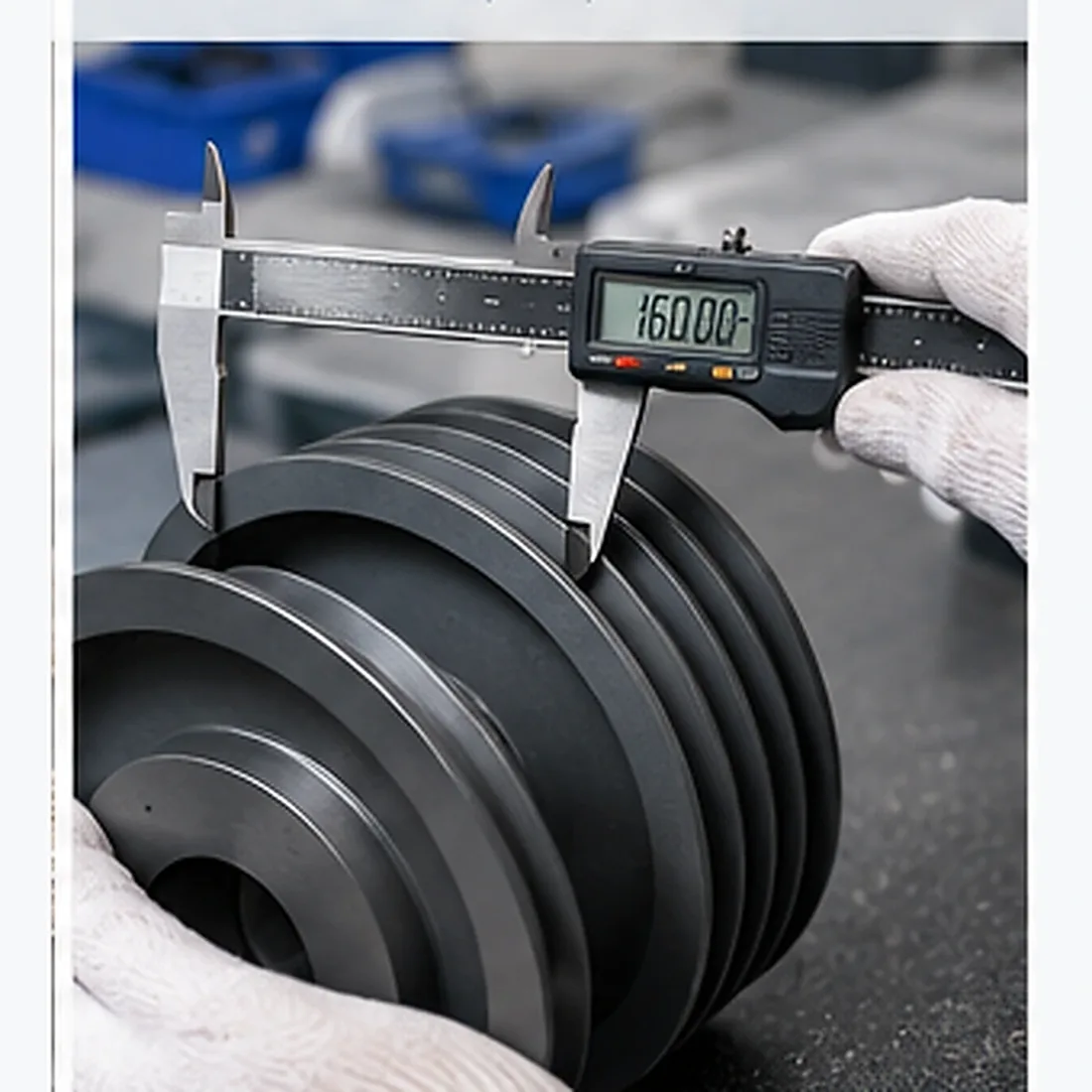
Devreye alma ve takip
Kurulumdan sonra, makine ve kayış prosedürüne göre tahrik sistemini inceleyin. Hizalamayı, kayışın yerine oturmasını, koruma açıklığını ve erişilebilir tüm bağlantı elemanlarını doğrulayın. Uygulamanın tanımlanmış bir devreye alma veya yeniden kontrol aralığı varsa, bu sonucu ekipman kaydına ekleyin. Bunlar, kasnağın kendisinin evrensel özellikleri yerine, seçilen kasnak etrafındaki kurulum kontrolleridir.
Olağandışı aşınma daha sonra ortaya çıktığında, parçalar çıkarılmadan önce durumu belgeleyin. Kayış tozu, iz oluşumu, hasarlı oluklar, şaft hareketi veya çevredeki makinedeki değişiklikler, bir bileşen sorununu bir sistem sorunundan ayırt etmeye yardımcı olabilir. Bu kayıt, bir sonraki değiştirme kararının doğrulanmasını kolaylaştırır.
Tedarik ekipleri için, son teslimatta kabul edilen model, miktar, şaft arayüzü ve özel proje gereksinimleri yer almalıdır. Bakım ekipleri için ise aynı kayıtta makine konumu ve sökme işlemini etkileyen erişim notları belirtilmelidir. Her iki görünümü bir arada tutmak, tekrarlanan tanımlama çalışmalarını azaltmanın en pratik yoludur.
Başvuru değerlendirmesi sırasında görünür kalması gereken sorular
Mevcut tahrik sisteminin birebir kopyalanıp kopyalanmadığını veya makinenin değişip değişmediğini sorun. Yeni bir motor, revize edilmiş üretim hızı, değiştirilmiş koruma, yeri değiştirilmiş yatak desteği veya farklı bir bakım prosedürü, eski bir parça numarasını tek başına yetersiz hale getirebilir. Makine değiştiyse, kasnak fiyatlandırılmadan önce değişikliği belirleyin.
Şaft ve kama yuvasını kimin kontrol ettiğini sorun. Bir OEM projesinde şaft, mevcut bir makine çiziminden gelebilir; bir bakım değişiminde ise söküldükten sonra güvenli bir şekilde ölçülmesi gerekebilir. Kasnak sırası uyumlu bir burç ailesini belirleyebilir, ancak gerçek şaft arayüzü yine de makineye aittir.
Başvurunun standart tanımlamanın ötesinde ölçülebilir bir kabul gereksinimi olup olmadığını sorun. Eğer salınım, denge, yüzey kalitesi, malzeme veya muayene dokümantasyonu proje için önemliyse, bunu belirtin. Önemli değilse, şartnameyi daha eksiksiz göstermek için genel bir performans iddiası eklemeyin.
Son olarak, parçanın bir kez mi sipariş edileceğini yoksa tekrar eden yedek parça olarak mı saklanacağını sorun. Tekrar eden sipariş niyeti varsa, model, çizim revizyonu, takılı burç veya delik, şaft ve makine konumu dahil olmak üzere temiz bir ekipman kaydı oluşturmak hemen faydalı olacaktır.
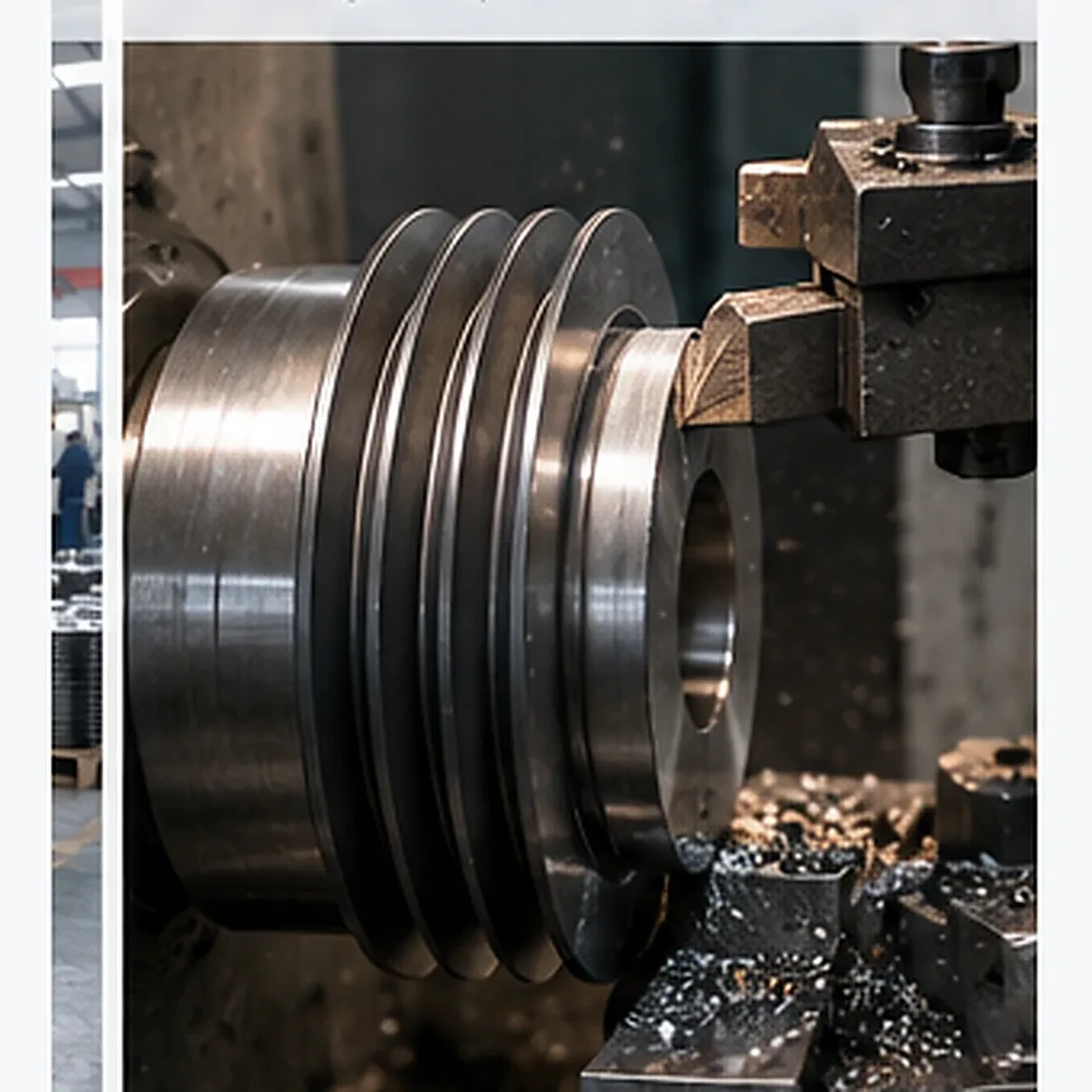
Başvuru incelemesinden teklif talebine geçiş
Teklif talebini göndermeden önce, uygulama notunun gerçek ürün verilerinin yerini almadığından emin olun. Teklif talebi yine de model veya çizim, kayış profili, oluk sayısı, şaft arayüzü ve miktar içermelidir. Uygulama açıklaması, görev, erişim ve ortam için bağlam sağlar. Bu iki katmanı ayrı tutmak, tedarikçinin önce standart kasnak sırasını incelemesine ve ardından bağlamı geometriyle karıştırmadan projeye özgü gereksinimleri ele almasına yardımcı olur.
İlgili ürün ve teklif talebi yolları
Göz atın SPA kasnak ailesi model verileri için, daha sonra şunu kullanın: RFQ veri kontrol listesi Başvuru bilgilerini şaft ve miktar detaylarıyla birlikte paketlemek.