Resources

Practical model, dimension, taper-bush and RFQ resources for engineering, maintenance and purchasing teams.

Resource centre

Use the right reference at each stage of the decision

The resource centre brings together the product-family map, dimension guidance, shaft-interface notes and RFQ preparation tools used across the SPA pulley range. Choose the shortest path that answers the current question, then return to the individual model page for model-specific values.

Product families

Browse 1–6 groove SPA categories, then open the exact model page for P/O, taper-bush, maximum bore and construction data.

Dimension guides

Use the correct construction view when hub position, axial clearance or letter dimensions affect the installation.

RFQ preparation

Prepare model or drawing, shaft, keyway or bush, groove count, quantity and application information before quotation.

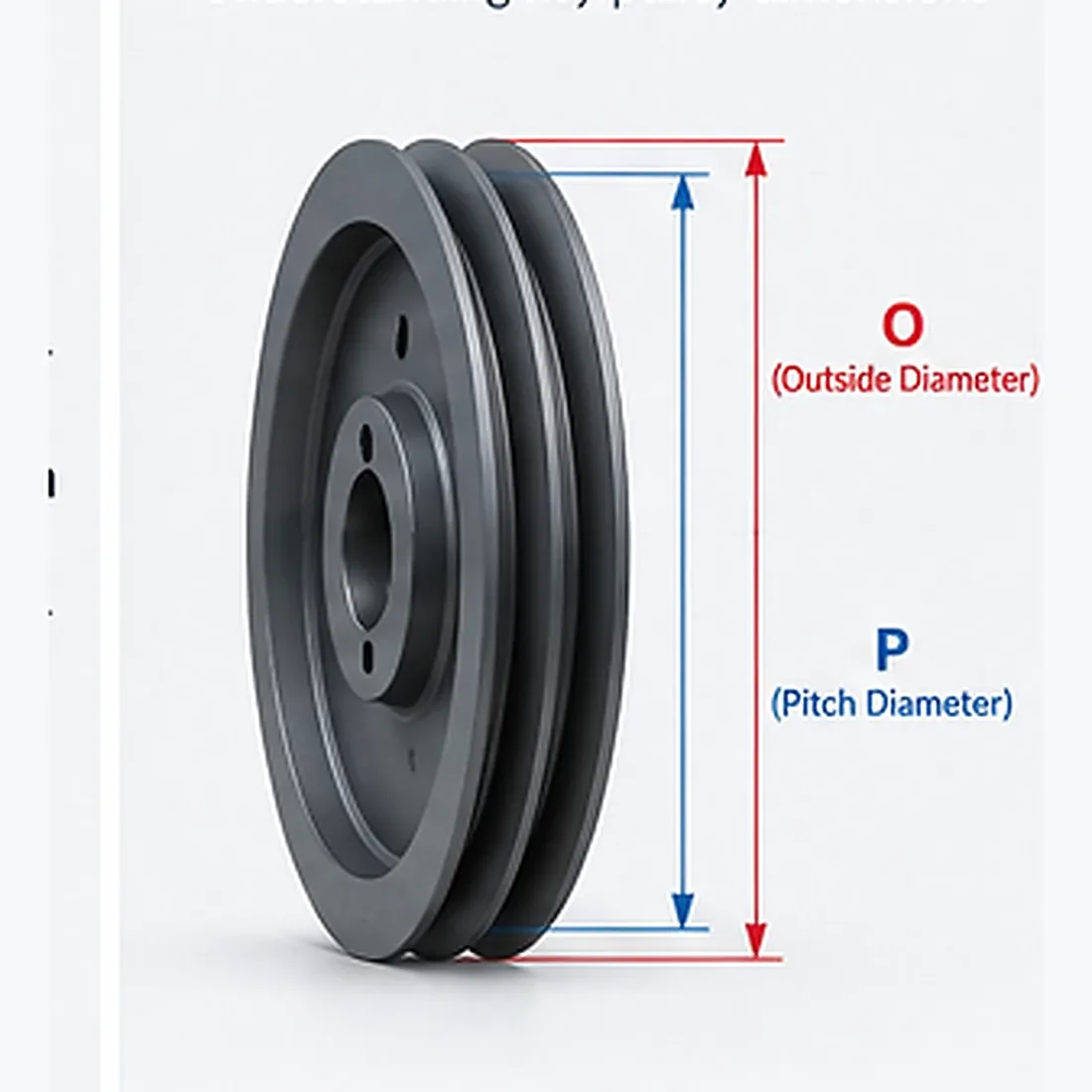
SPA pulley diameter reference diagram
Dimensions

Read the complete technical view before copying a value

Dimension drawings are shown at a readable scale because letter dimensions and hub arrangement can be as important as the diameter. Match the technical view to the model construction type and keep field measurements separate from the model references until they have been compared.

If the installed machine depends on a precise hub offset or service clearance, attach the current drawing to the purchasing record.

SPA Pulley Dimensions

Selection path

Three common questions and where to go next

Which groove family?

Start with the active groove count and SPA belt family, then use the family page to compare models.

Browse SPA families

Which shaft interface?

Record the bush marking, actual shaft and keyway, then review the taper-bush interface before ordering.

Taper-bush interface

What should the RFQ include?

Use the checklist when information comes from drawings, field measurements and maintenance records.

询价数据核对清单

Replacement records

Keep model markings, measurements and photographs together

A replacement decision is easier to verify when the installed condition is recorded before removal. Capture the pulley faces, belt line, shaft end and any readable marking. Note which values were measured in the field and which came from a drawing or previous order.

This makes later maintenance and repeat purchasing more consistent, especially when several similar machines use different bush or groove arrangements.

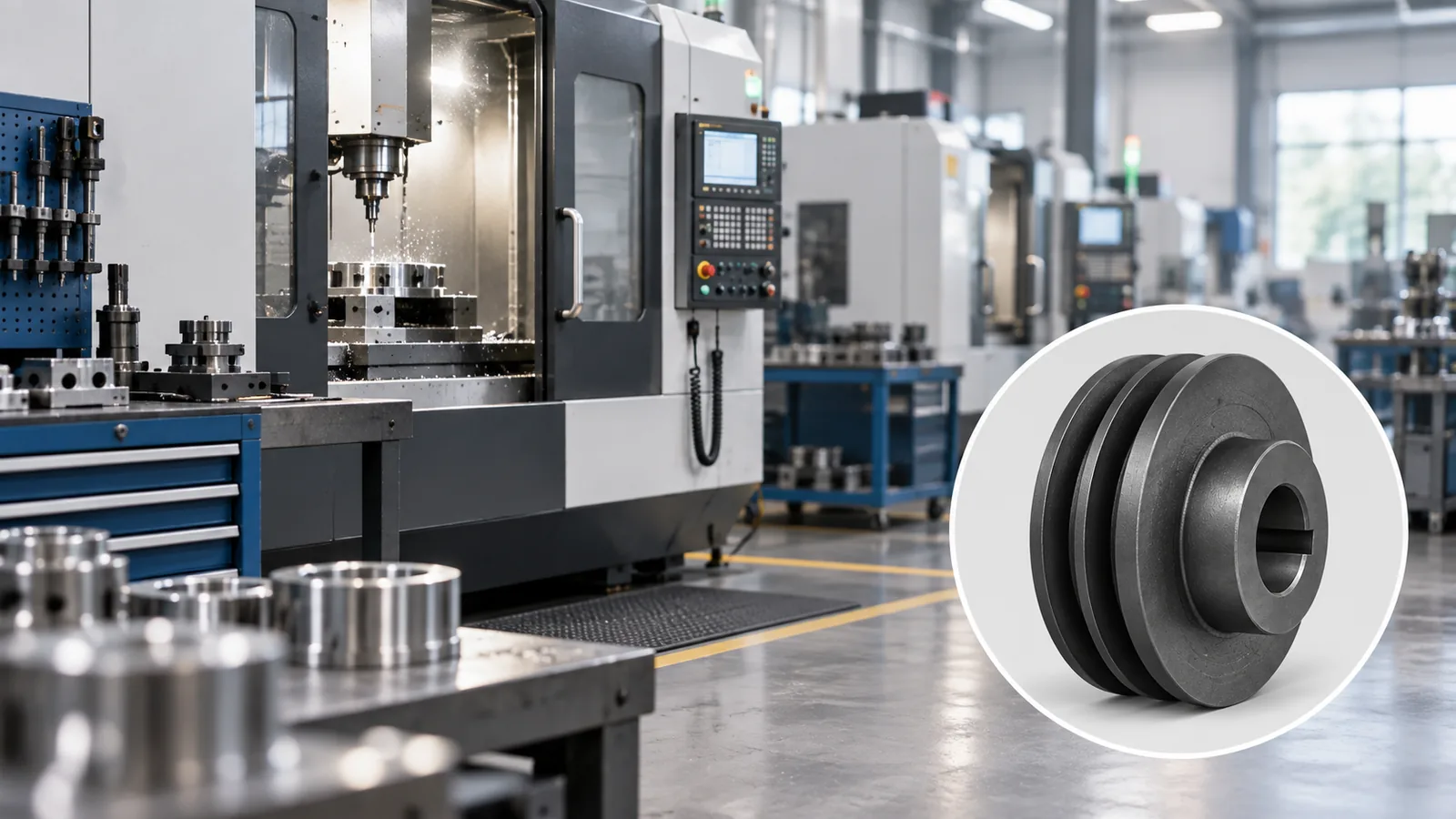
Industrial maintenance context
Ask a Technical QuestionTechnical articles extend these checks with practical replacement and RFQ examples.