Använd rätt referens i varje steg av beslutet
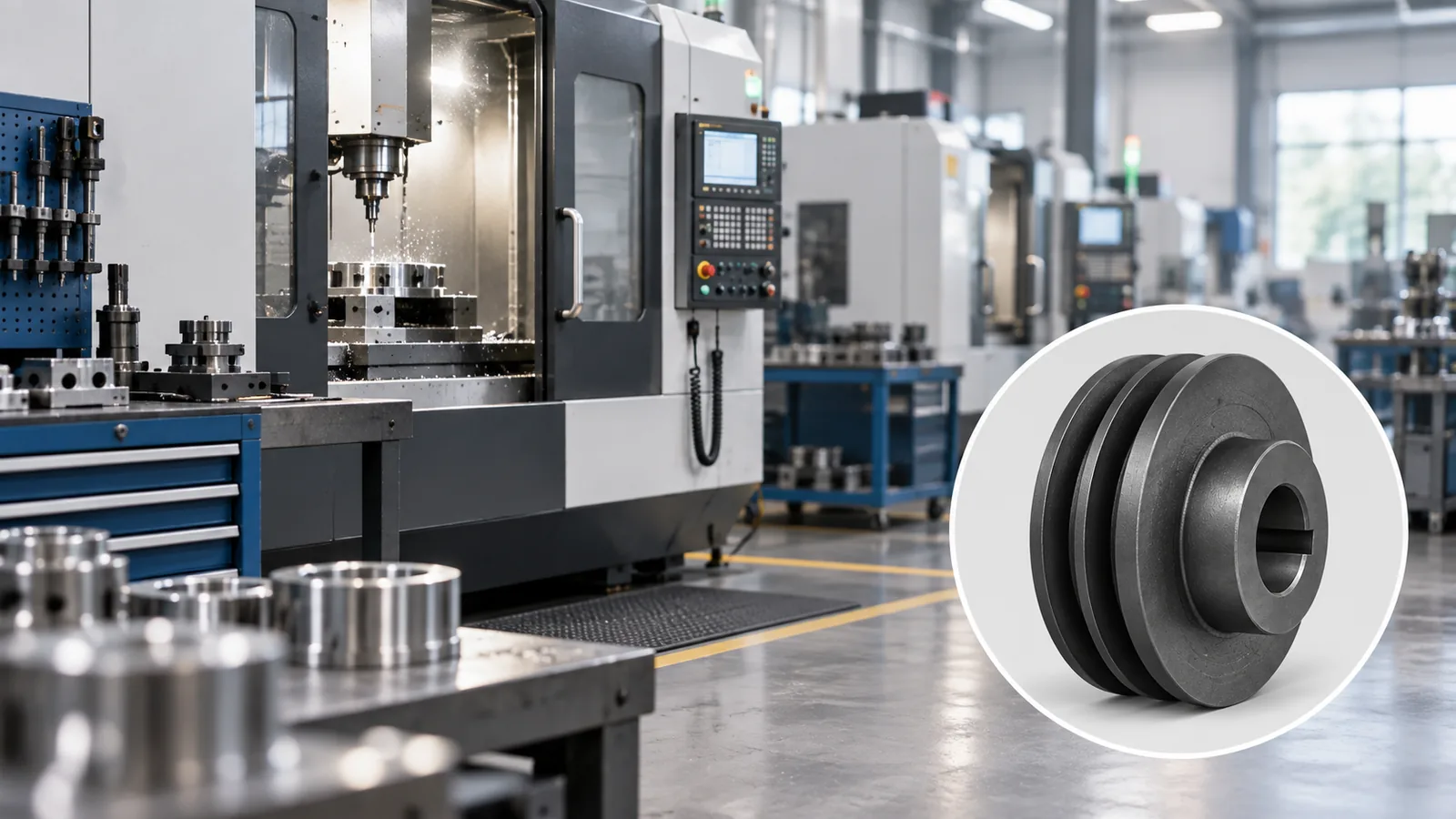
Resurscentret sammanställer produktfamiljekarta, dimensionsvägledning, anteckningar för axelgränssnitt och verktyg för förberedelse av offerter som används i hela SPA-remskivan. Välj den kortaste vägen som besvarar den aktuella frågan och återgå sedan till den enskilda modellsidan för modellspecifika värden.
Produktfamiljer
Bläddra bland 1–6 spår-SPA-kategorier och öppna sedan den exakta modellsidan för P/O, konisk bussning, maximal borrning och konstruktionsdata.
Måttguider
Använd korrekt konstruktionsvy när navets position, axiellt spel eller bokstavsmått påverkar installationen.
Förberedelse av offertförfrågan
Förbered modell eller ritning, axel, kilspår eller bussning, spårantal, kvantitet och applikationsinformation före offert.
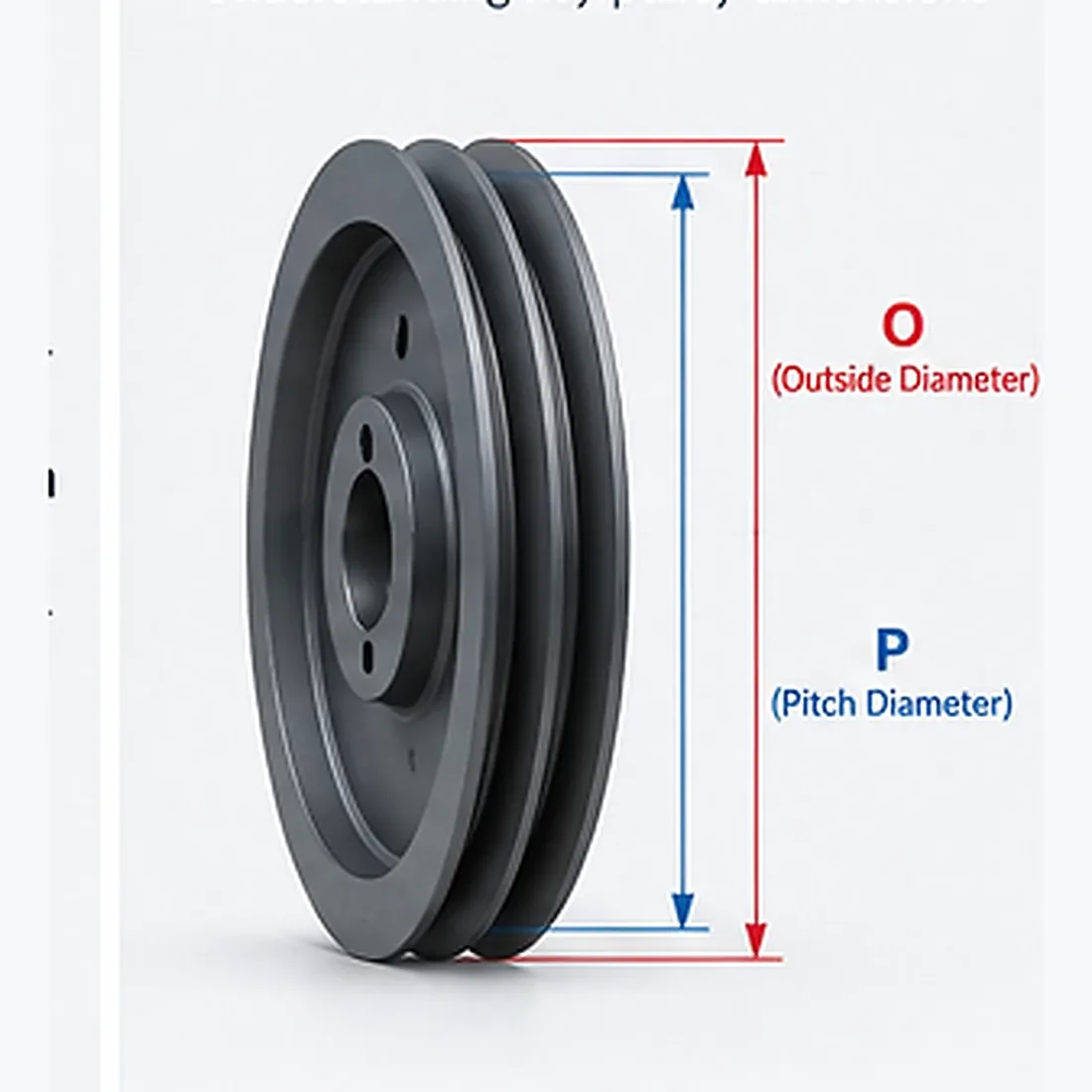
Läs hela den tekniska vyn innan du kopierar ett värde
Måttritningar visas i läsbar skala eftersom bokstavsmått och navplacering kan vara lika viktiga som diametern. Matcha den tekniska vyn med modellens konstruktionstyp och håll fältmåtten separerade från modellreferenserna tills de har jämförts.
Om den installerade maskinen är beroende av en exakt navförskjutning eller serviceavstånd, bifoga den aktuella ritningen till inköpsprotokollet.
Tre vanliga frågor och vart man ska gå härnäst
Vilken groove-familj?
Börja med det aktiva spårantalet och SPA-remfamiljen, använd sedan familjesidan för att jämföra modeller.
Vilket axelgränssnitt?
Anteckna bussningsmärkningen, den faktiska axeln och kilspåret, och granska sedan gränssnittet mellan kona och bussning innan du beställer.
Konisk bussning-gränssnitt
Vad bör offertförfrågan innehålla?
Använd checklistan när informationen kommer från ritningar, fältmätningar och underhållsjournaler.
Håll modellmarkeringar, mått och fotografier tillsammans
Ett beslut om utbyte är lättare att verifiera när installationsskicket registreras före demontering. Registrera remskivornas ytor, remlinjen, axeländen och all läsbar markering. Notera vilka värden som mättes i fält och vilka som kom från en ritning eller tidigare beställning.
Detta gör senare underhåll och upprepade inköp mer konsekventa, särskilt när flera liknande maskiner använder olika bussningar eller spårarrangemang.